Students tackle rural health challenges through interprofessional hack-a-thon
Facilitated by BHUDRH academic staff
Students tackle rural health challenges through interprofessional hack-a-thon
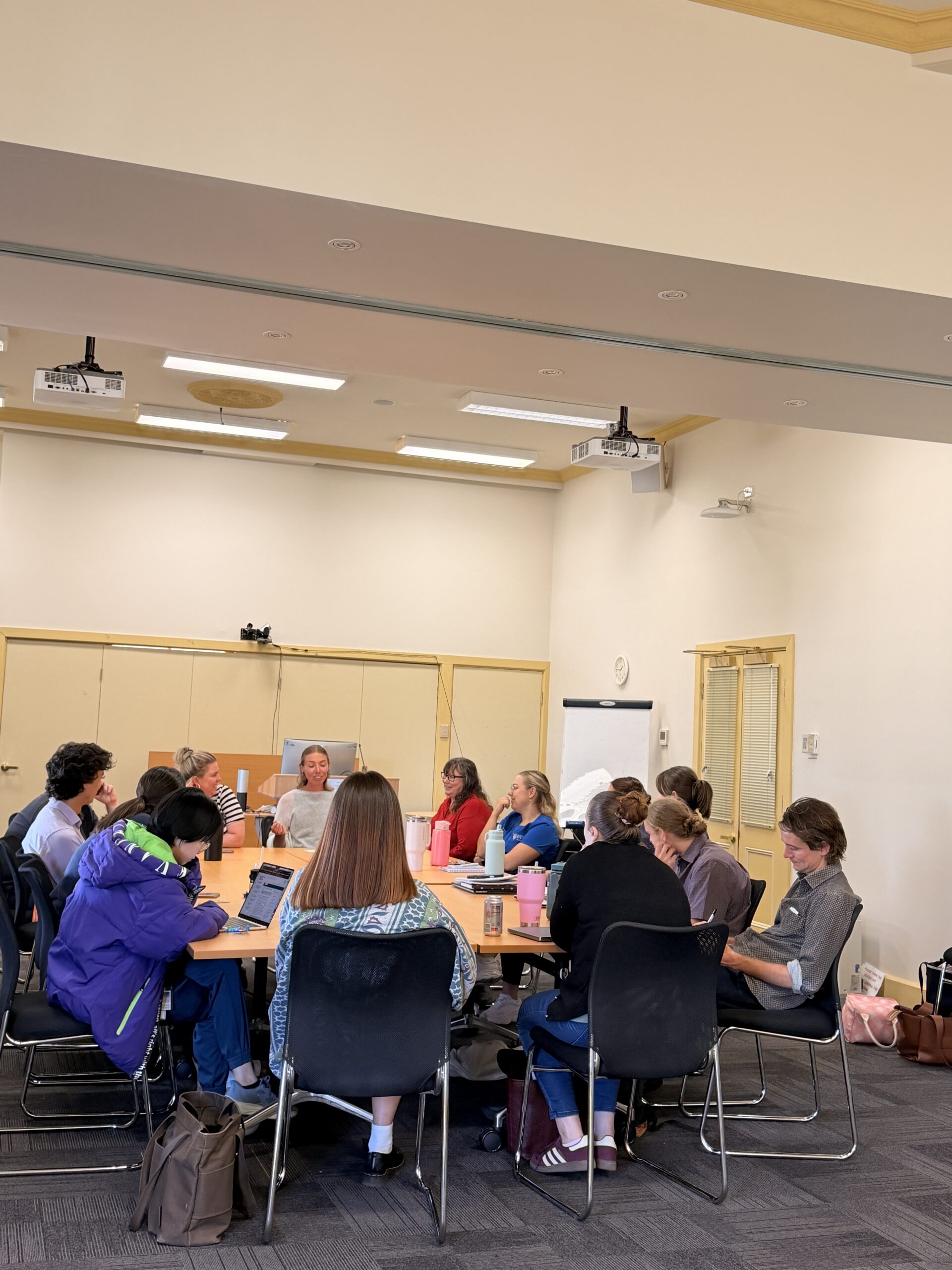
Ten students sit around a table, introducing themselves one by one – sharing their degree, discipline and home university.
Some already know each other through their studies or placements. For others, it is the first time they have met. What makes the setting unique, however, is the mix of future healthcare professionals brought together in the one room: social work, nursing, allied health and medical students, each contributing their own perspective and experience.
The Interprofessional Education (IPE) sessions, run by the Broken Hill University Department of Rural Health since 2012, are designed to encourage students to learn with, from and about each other while tackling real-world rural health challenges.
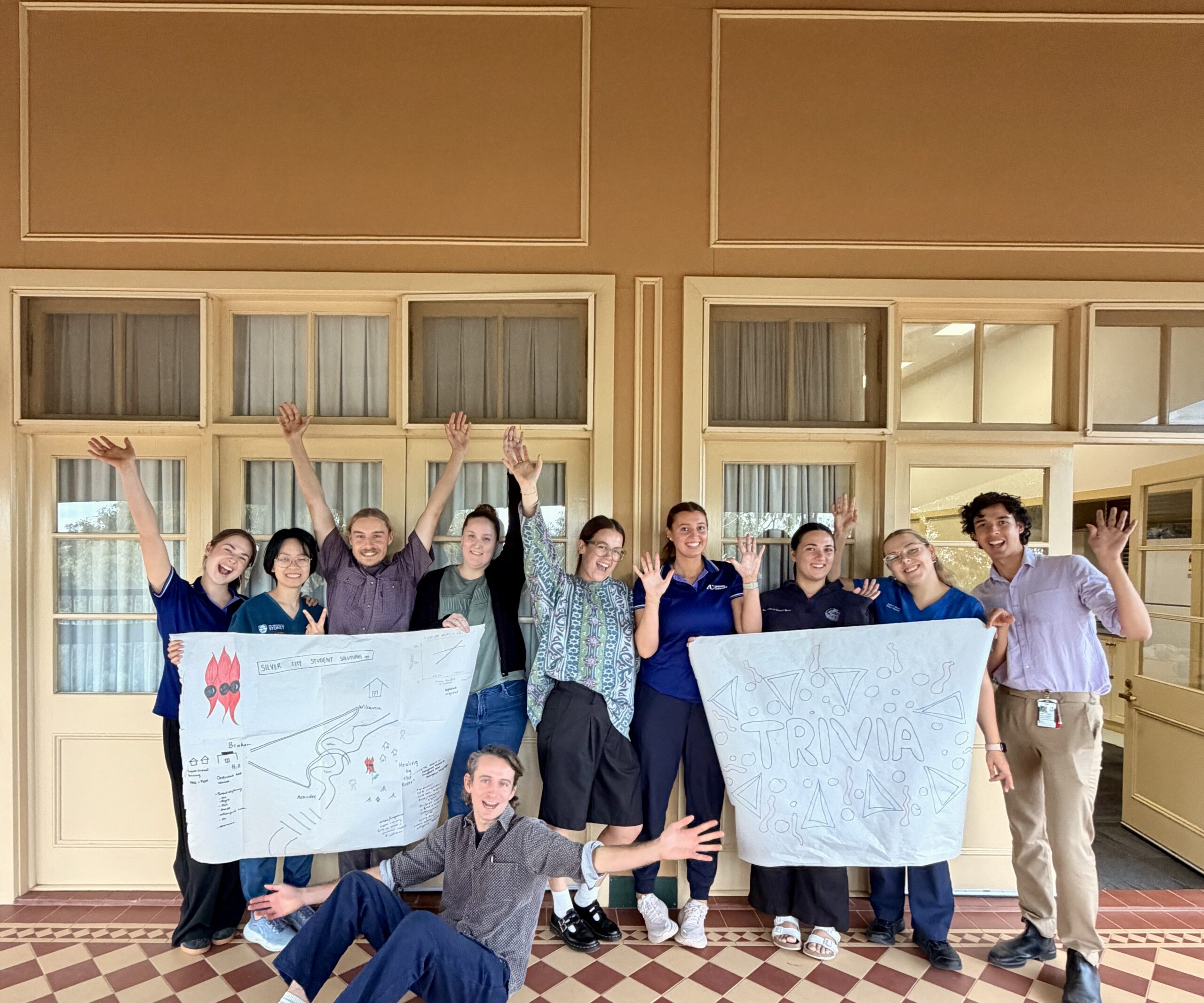
During the latest student-led hack-a-thon, participants were divided into teams and tasked with developing practical solutions to a rural health issue. The exercise challenged students to think critically, collaborate across disciplines and present implementable ideas within a short timeframe.
Social Work Academic, Hannah Dean, who ran the session said the hack-a-thon provide an important opportunity for students to learn how different disciplines approach the same issue.
“It’s great to see students ‘hack’ a local issue in interprofessional teams,” Ms Dean said.
Throughout the session, students identified collaboration and exposure to different professional viewpoints as some of the most valuable aspects of the experience.
One student said working in an interdisciplinary team highlighted how different specialties bring unique ideas to the table.
“Different specialties equal great ideas. Common issues are common,” the student said.
Another student reflected on the importance of understanding the perspectives and scopes of other professions.
“Hearing everyone’s perspectives and understanding their different training and scopes was really valuable,” the student said.
Students also spoke about the benefit of tackling real-world challenges in a supportive learning environment.
“Being able to question teams and their strategies in a learning and non-confrontational space was incredibly useful,” one participant said.
Others highlighted the practical nature of the session, with students encouraged to rapidly develop realistic and implementable solutions.
“Coming up with concrete solutions and strategies very quickly was a great learning experience,” a student shared.
The hack-a-thon also reinforced the value of student voices in shaping healthcare solutions, particularly in rural and regional settings.
“Student perspectives do matter,” another participant said.
By bringing together students from different health disciplines and universities, the Interprofessional Education sessions continue to build collaboration, communication and shared understanding – skills that are essential for delivering effective healthcare in rural communities.