Students step into lived experience through simulation suit session
Students step into lived experience through simulation suit session
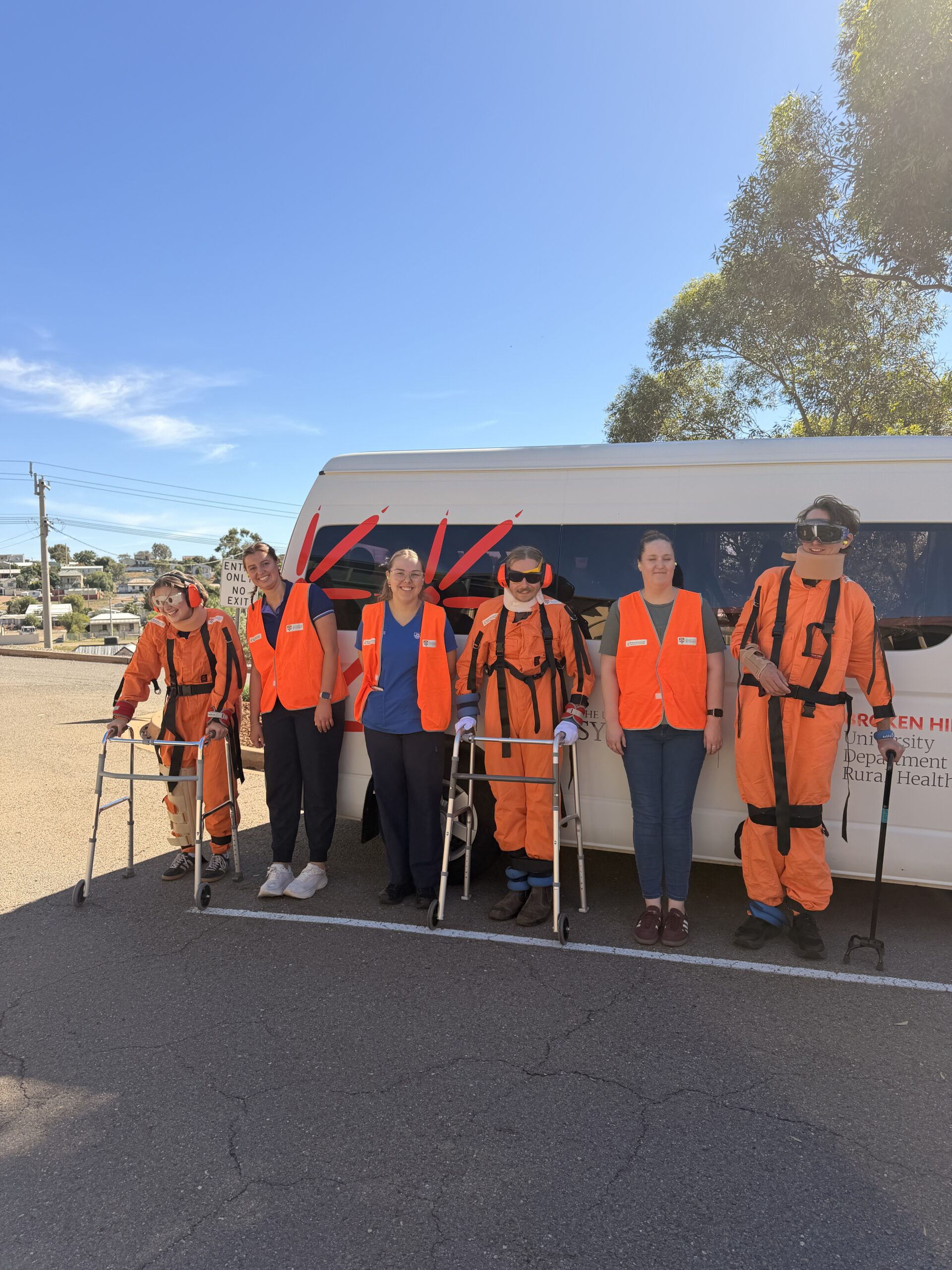
Students at the Broken Hill University Department of Rural Health are being challenged to see healthcare through a different lens – by quite literally stepping into someone else’s shoes.
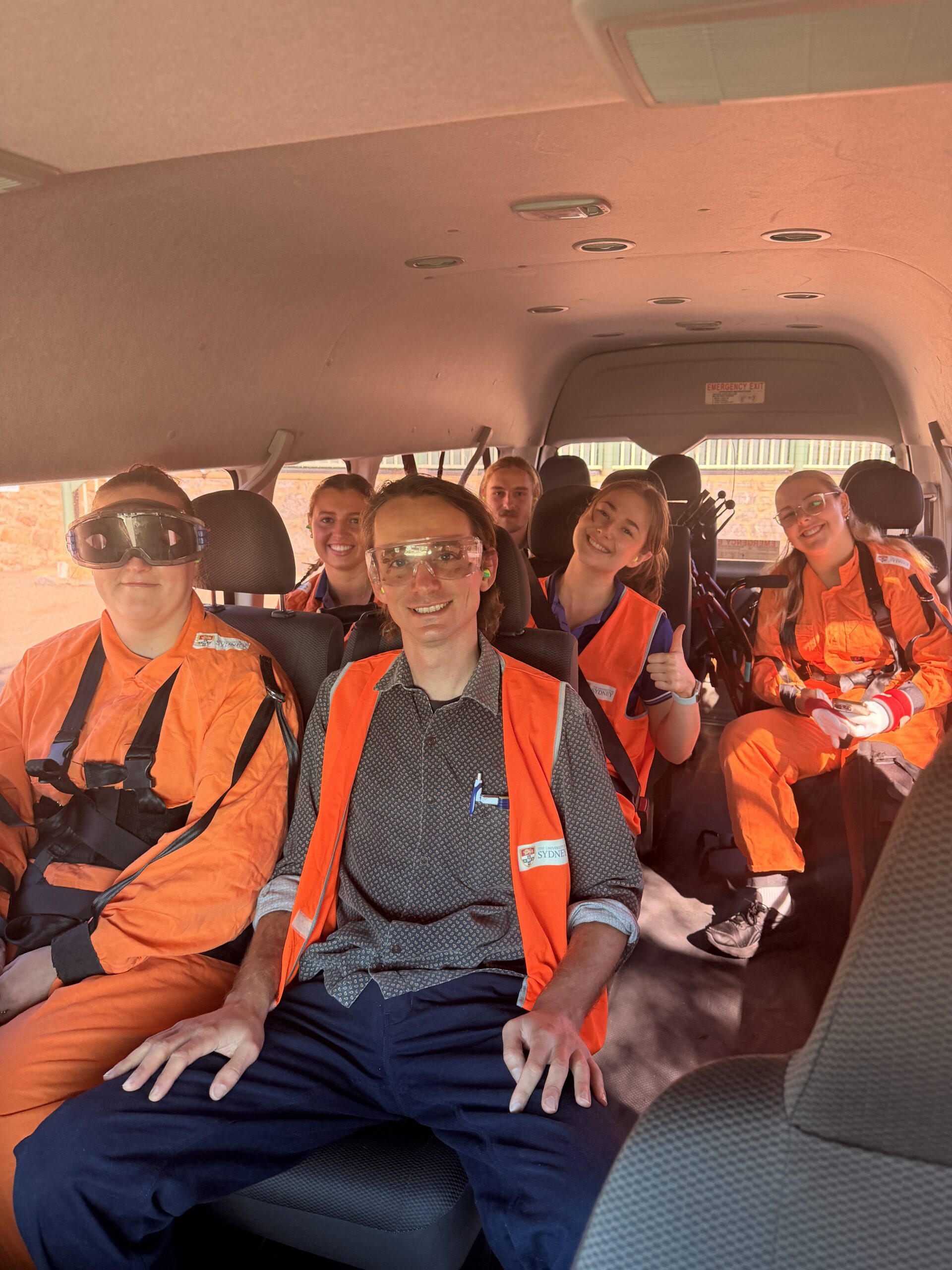
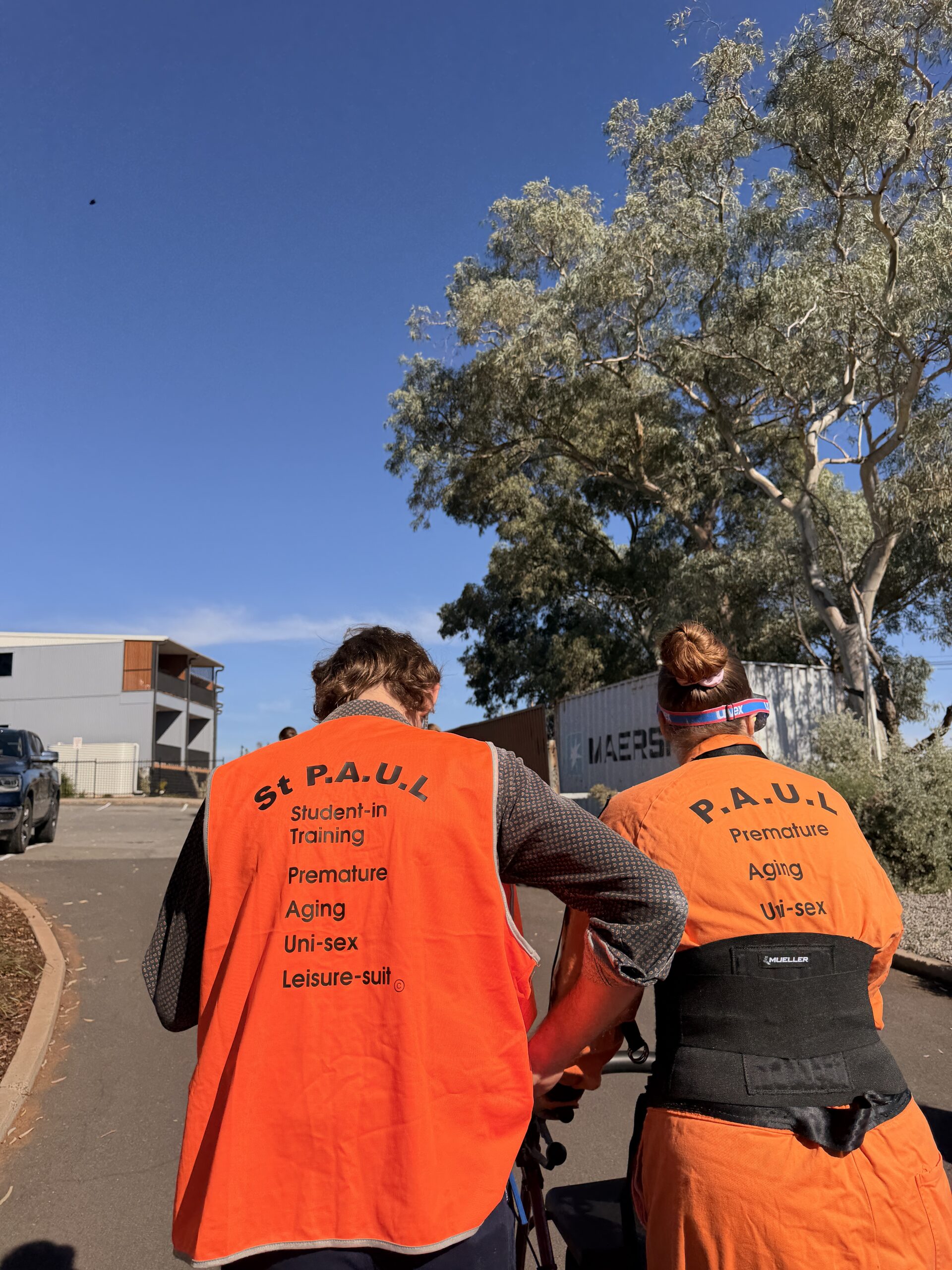
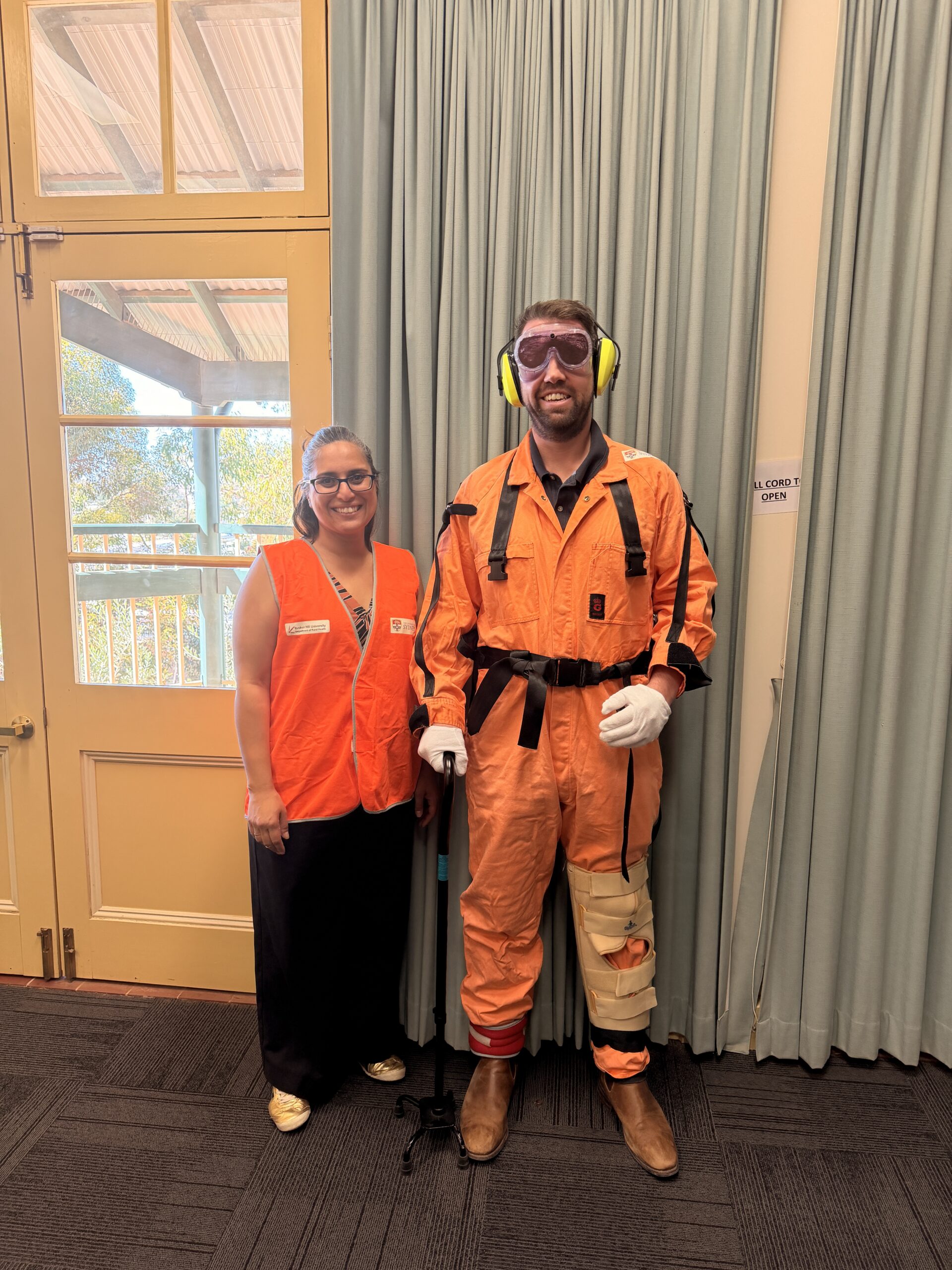
As part of an interactive empathy suit session, students from a range of health disciplines are fitted with specialised suits designed to simulate the physical challenges experienced by people living with disability and impairment. Once suited up, students are encouraged to complete everyday tasks such as brushing their teeth, getting in and out of a car and moving through daily activities, offering firsthand insight into the barriers many people face every day.
The activity is designed to move beyond textbooks and lectures, encouraging students to better understand the lived experiences of patients and communities they may one day care for as rural health professionals.
Following the practical session, students gathered for a roundtable discussion to reflect on their experiences, with conversations focusing on empathy, accessibility and the importance of person-centred care.
BHUDRH Allied Health Academic, James Selby, joined students in taking part in the session and said the reflections shared afterwards were particularly powerful.
“It was great to take part in this session, and I was blown away by the round table discussion afterwards where the students shared valuable observations after being in the suit,” Mr Selby said.
In an anonymous feedback form completed after the session, students described the experience as eye-opening, with many reflecting on the emotional and physical realities faced by people living with disability.
“To never assume how someone is feeling or coping with a challenge,” one student reflected.
Another participant said the session highlighted the responsibilities healthcare workers carry when supporting patients.
“The difficulties as the patient and our responsibilities as a carer,” the student said.
For many, the activity transformed their understanding of everyday tasks often taken for granted.
“How difficult activities of daily living actually are with an impairment,” one student shared.
Others reflected on the emotional impact of removing the suit at the end of the session, recognising that many people living with disability do not have the option to simply “switch off” their challenges.
“Learning how to live with a disability and the feeling of stripping the suit off compared to disabled people not being able to,” another student said.
The session also reinforced the value of interdisciplinary learning, with students highlighting the importance of hearing perspectives from different health professions and communities.
“It’s good to learn from other students – everyone brings something different,” one participant said.
Another student said the experience strengthened their understanding of collaborative healthcare approaches.
“The importance of interdisciplinary engagement,” the student said.
Students also reflected on the need for thoughtful and inclusive healthcare design, including the importance of community engagement and co-design.
“I have learnt about the co-design considerations between western and First Nations communities,” one student shared.
By combining experiential learning with collaborative discussion, the simulation suit session encourages future rural health workers to think beyond clinical care and consider the human experience behind every patient interaction.
The Interprofessional Education sessions continue to highlight the importance of empathy, communication and understanding in building a compassionate rural healthcare workforce.