Q&A with Louise
Building Confidence in Community Nursing Through a Rural Placement
For nursing student Louise, a placement in Broken Hill offered the opportunity to develop her clinical skills, gain a deeper understanding of community nursing and experience life in a rural community. From supporting patients in their homes to exploring the region’s rich history and culture, the experience provided valuable lessons both professionally and personally.
What aspects of your placement did you find most valuable?
My placement at Broken Hill Hospital in Community Nursing Care was incredibly valuable in developing my clinical skills and understanding the important role of community nursing.
One of the biggest lessons I learnt was the importance of building rapport with clients and their families. Establishing trust and making people feel comfortable discussing their concerns is such an important part of nursing. I also strengthened my communication skills when working with elderly and Aboriginal clients, learning the importance of being respectful, approachable and culturally sensitive in every interaction.
Clinically, I gained confidence in wound care, selecting appropriate dressings using clinical judgement and policy, and maintaining aseptic non-touch technique (ANTT). Most importantly, I learnt how essential follow-up care is after hospital discharge. Ensuring vulnerable clients receive the right referrals and ongoing support can help prevent readmissions and ensure people do not fall through the cracks.
What surprised you about your rural placement once you arrived?
I was surprised by how welcoming and friendly everyone in Broken Hill was. People would regularly say hello when walking down the street, and there was a genuine sense of community that quickly made us feel at home.
The placement also gave me a greater appreciation for the variety of healthcare services available in rural areas. Through home visits and outpatient clinics, I saw firsthand how important community nurses are in supporting vulnerable people outside of the hospital setting.
It demonstrated how much rural nursing relies on strong communication, sound clinical judgement and effective care coordination to ensure people receive the support they need.
What activities outside of placement helped you engage with the local community?
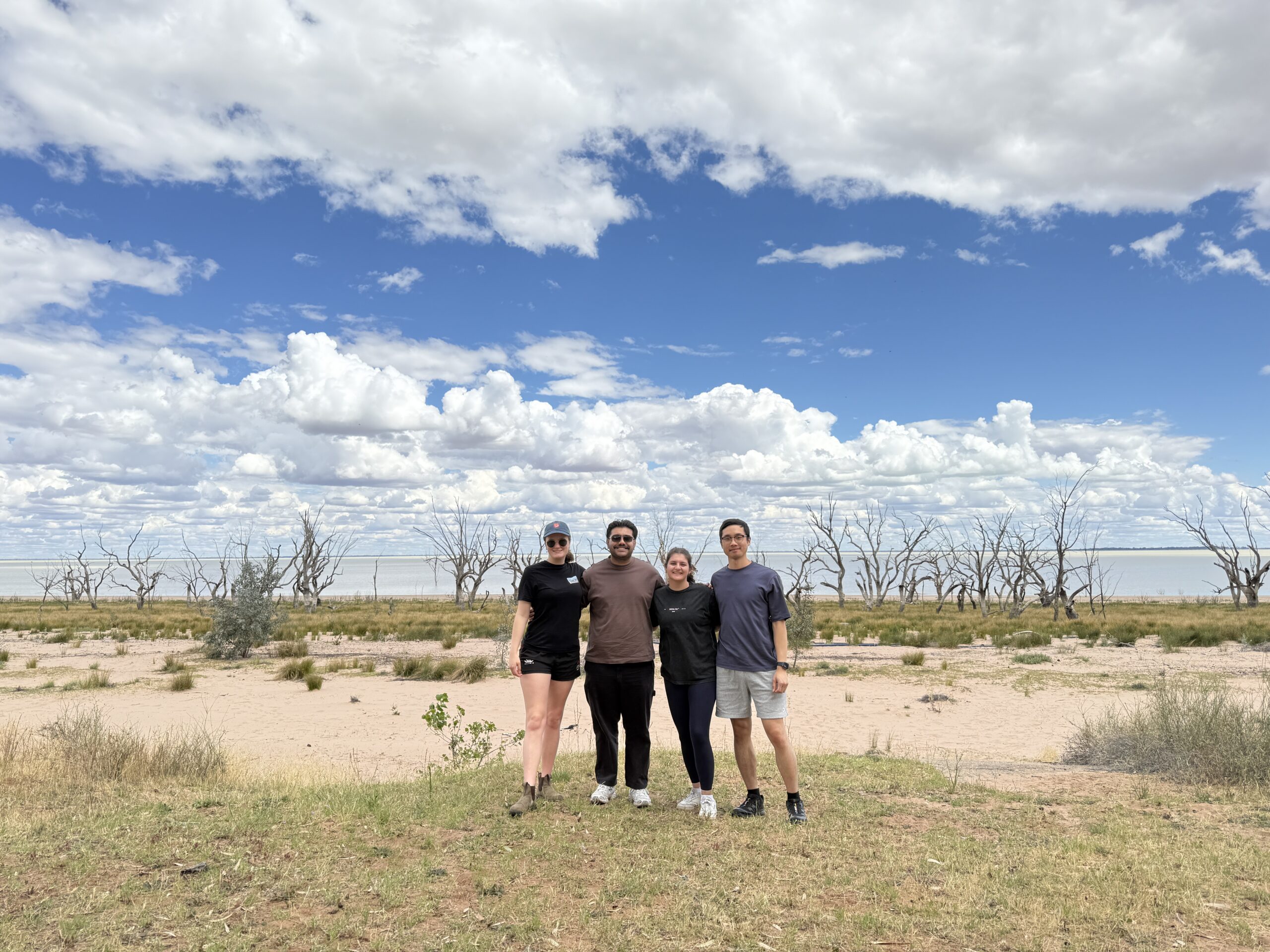
We had the opportunity to explore so many incredible places around Broken Hill while learning more about the region’s history and culture.
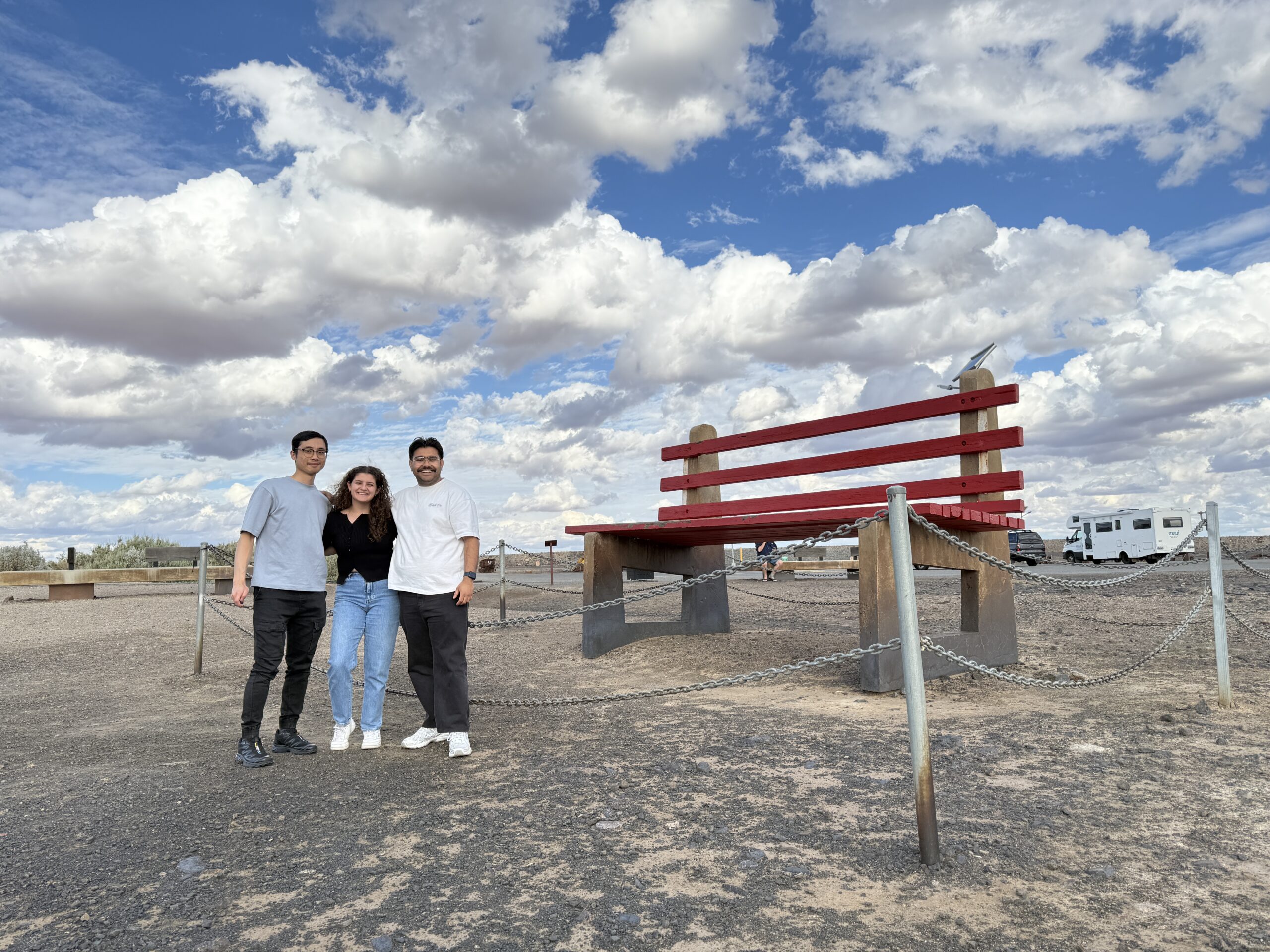
Visiting the Line of Lode was particularly memorable. It was a sombre but beautiful tribute to the miners who lost their lives and provided valuable insight into the town’s mining history. We also visited the Whites Mineral Art and Mining Museum, Railway Museum, The Big Bench and the iconic Palace Hotel.
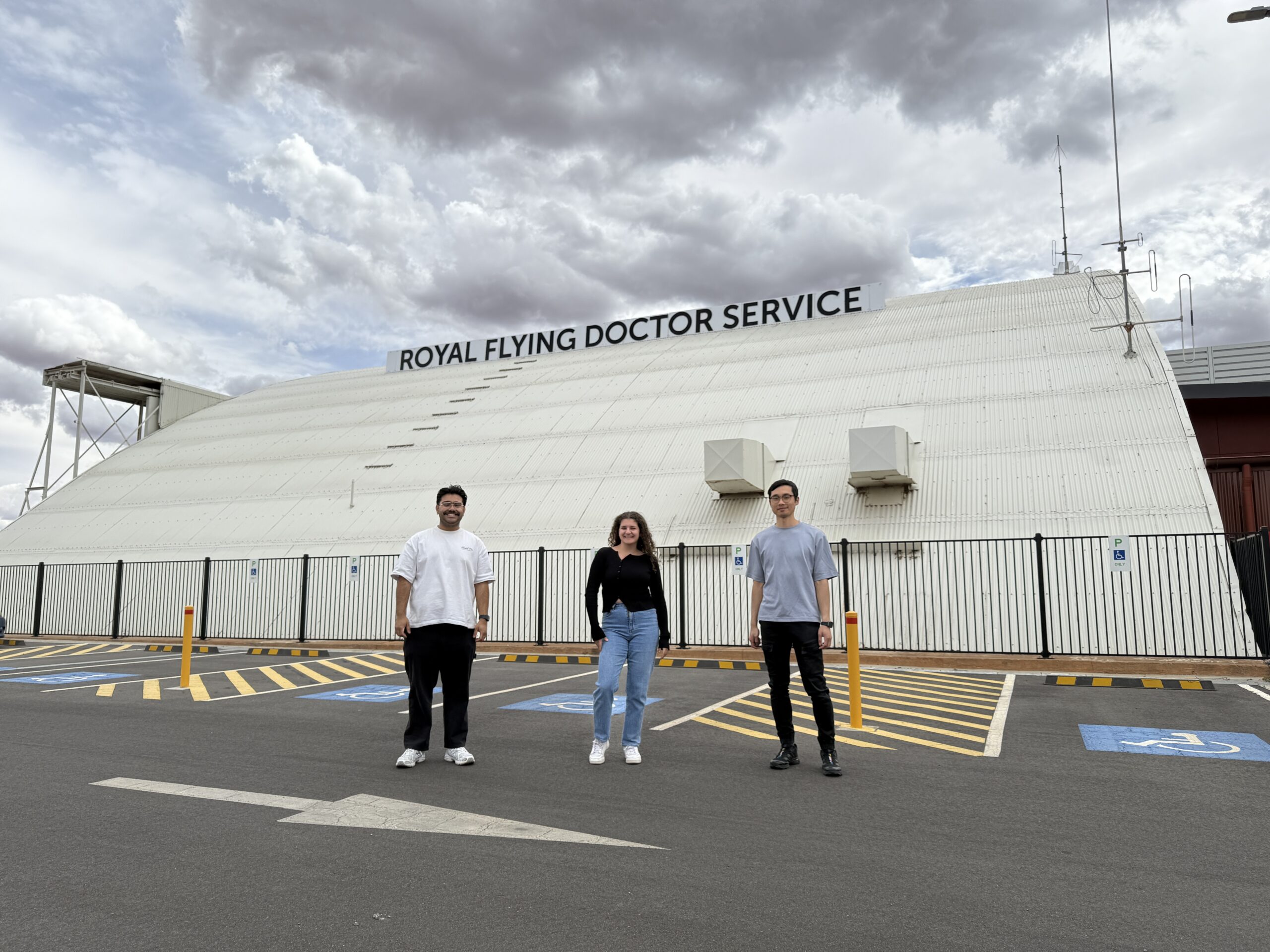
A trip to Silverton was another highlight, where we explored the Mad Max 2 Museum, local art galleries and the Silverton Gaol Museum. We were also fortunate to tour the Royal Flying Doctor Service base, where staff shared insights into their operations and the critical healthcare services they provide to remote communities. It was an inspiring experience and definitely sparked some future career ideas.
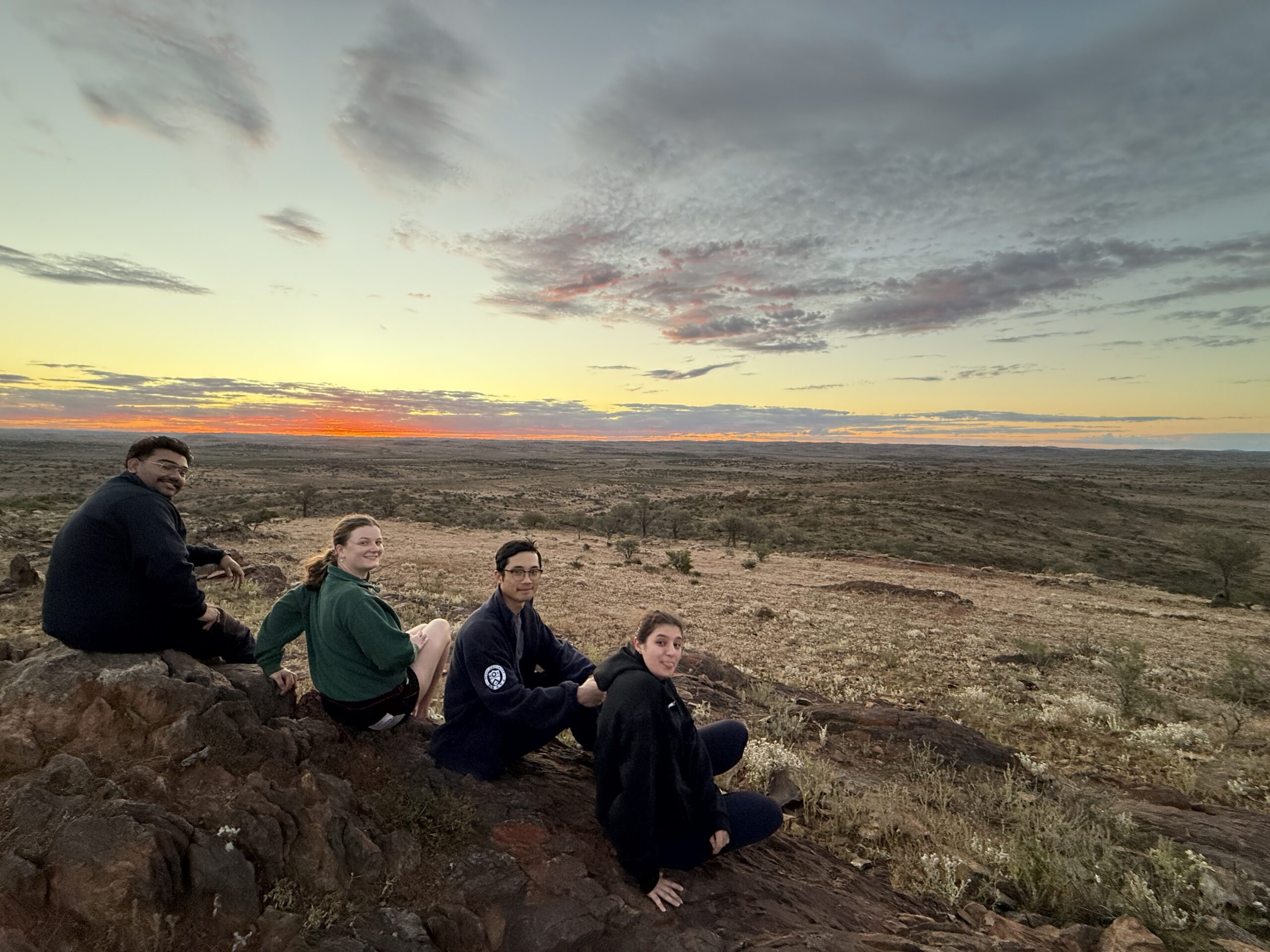
One of my favourite memories was watching the sunset at the Living Desert Sculptures. It was absolutely breathtaking.
We also made lasting friendships with medical, nursing, social work, radiography and teaching students. These experiences helped us connect with the local community and made our time in Broken Hill enjoyable both inside and outside the hospital.
How did the University of Sydney, BHUDRH and your host site support your placement?
The support from the University of Sydney, BHUDRH and Broken Hill Hospital made this experience possible and incredibly enjoyable.
Everyone, from the administrative staff and groundskeepers to the nurses and educators, was welcoming and supportive from the moment we arrived.
The educational seminars were especially valuable, helping us learn about Aboriginal cultural wellbeing, including the Paakantyi and Wilyakali peoples and the Traditional Custodians of the region. These sessions provided important cultural knowledge that enriched our understanding of healthcare delivery in rural communities.
Our clinical facilitator, Morgan, was amazing and made us feel welcome, safe and supported throughout the placement. She organised a variety of experiences, including home visits and outpatient clinics, which allowed us to broaden our clinical skills and develop a deeper understanding of the healthcare needs of the local community.
What would you say to a student who is considering a rural placement but feels unsure about taking that step?
I would absolutely encourage them to give it a go.
A rural placement provides opportunities to develop skills and gain experiences that you may not encounter in the same way in a metropolitan hospital. I gained so much from my time in Broken Hill, both clinically and personally.
While moving somewhere unfamiliar can feel daunting, the support provided by BHUDRH, our clinical facilitator and hospital staff made all the difference. There are also so many opportunities to explore the region, meet other students and build new friendships.
My advice would be to put yourself out there, share what you would like to learn and embrace every opportunity. Make connections wherever you go because you never know where those relationships might lead.
How has your perspective on living and working in a rural area changed?
Since completing my placement, I have developed a much greater appreciation for rural healthcare and the important role nurses play in supporting their communities.
I learnt how vital community nursing is in providing ongoing care, coordinating referrals and ensuring vulnerable people receive the support they need after leaving hospital. The experience has given me a real taste of rural practice, and at some point in my nursing career, I hope to move and work in a rural area.
Beyond the clinical experience, I was pleasantly surprised by how welcoming and connected the Broken Hill community was. I loved learning about the region’s history, exploring the local area and meeting so many wonderful people.
My placement showed me that rural healthcare is both challenging and incredibly rewarding, and it has left me with a lasting appreciation of the communities and healthcare professionals who make it possible.