Q&A with Anston
Discovering Rural Healthcare Through Placement in Broken Hill
Studying a Master of Nursing at the University of Sydney, Anston recently completed a rural placement in Broken Hill. From gaining firsthand experience in community nursing to embracing the unique lifestyle and strong sense of connection found in rural communities, the placement left a lasting impression both professionally and personally.
Let’s hear from Anston about his experience.
What aspects of your placement did you find most valuable?
One of the most valuable aspects of my placement was working alongside the Enhanced Community Care (ECC) team and visiting patients in their homes. It gave me a completely different perspective on managing complex chronic conditions such as heart failure and COPD, particularly in rural communities where access to healthcare can be limited.
I witnessed firsthand how difficulties accessing GPs, managing medications and navigating healthcare services can significantly affect patients after discharge. The experience reinforced the importance of holistic nursing care, effective discharge planning, strong support networks and recognising carer stress. It also highlighted that even when support systems are in place, they do not always work as intended, and seemingly small gaps in care can have significant consequences for patients.
The support and guidance I received from the nursing staff and multidisciplinary team were invaluable in helping me develop my clinical reasoning and deepen my understanding of rural healthcare delivery.
What surprised you about your rural placement once you arrived?
What surprised me most was how different the pace of life felt compared to Sydney. Arriving in Broken Hill almost felt like stepping back in time, in the best possible way. Life seemed to slow down and there was a genuine sense of community that I had not expected.
From a healthcare perspective, I was surprised by the limited availability of walk-in GP services and hearing about patients waiting six weeks or longer for appointments. It made me wonder where people with common illnesses or non-emergency health concerns could turn for timely care. I began to understand how these barriers can contribute to greater reliance on Emergency Departments when primary healthcare is not readily accessible.
It was an eye-opening reminder of how geographical location can influence access to healthcare and ultimately affect patient outcomes.
How did you connect with the local community outside of placement?
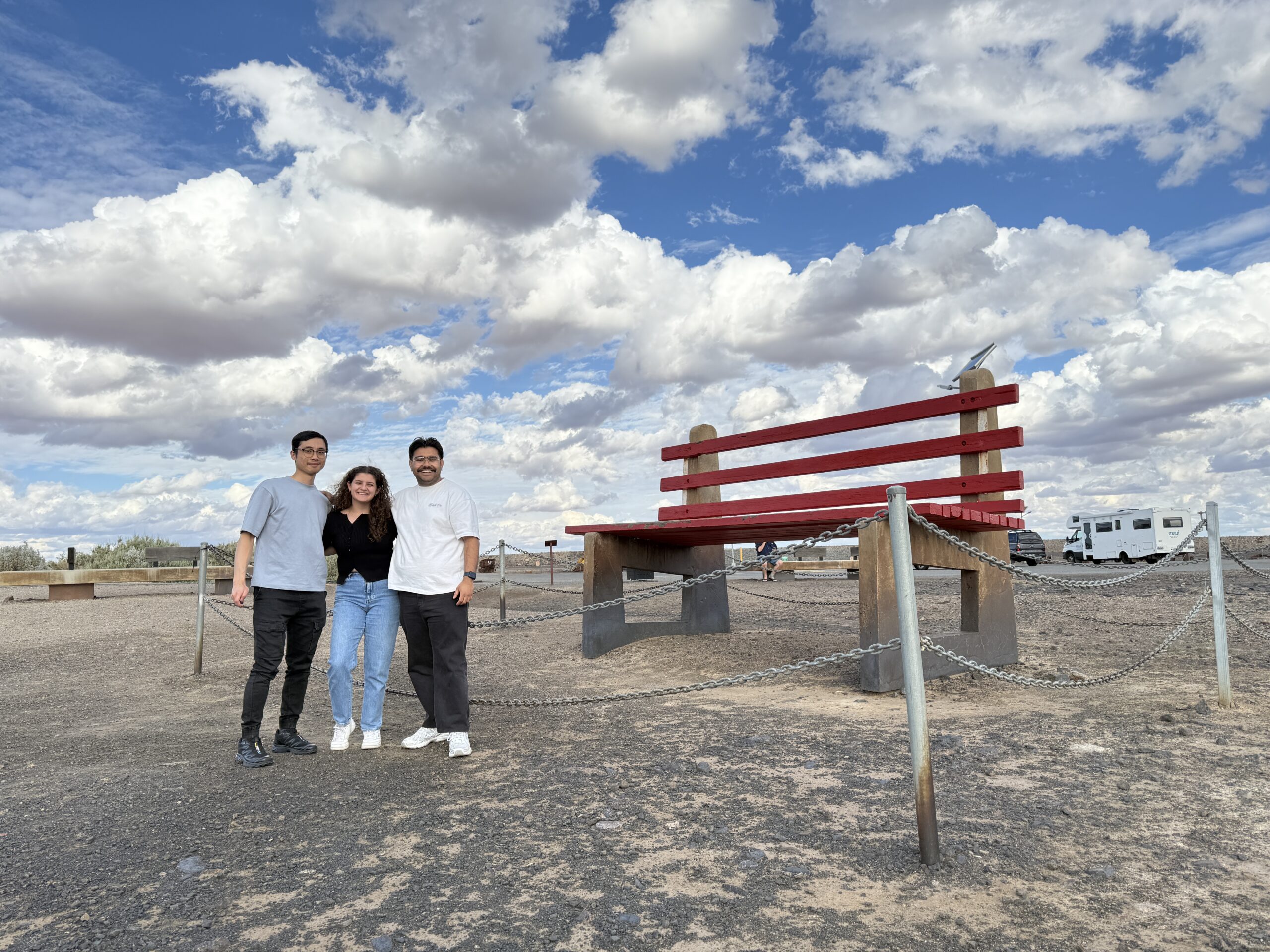
Where do I begin? We made the most of every opportunity to explore Broken Hill and connect with the community.
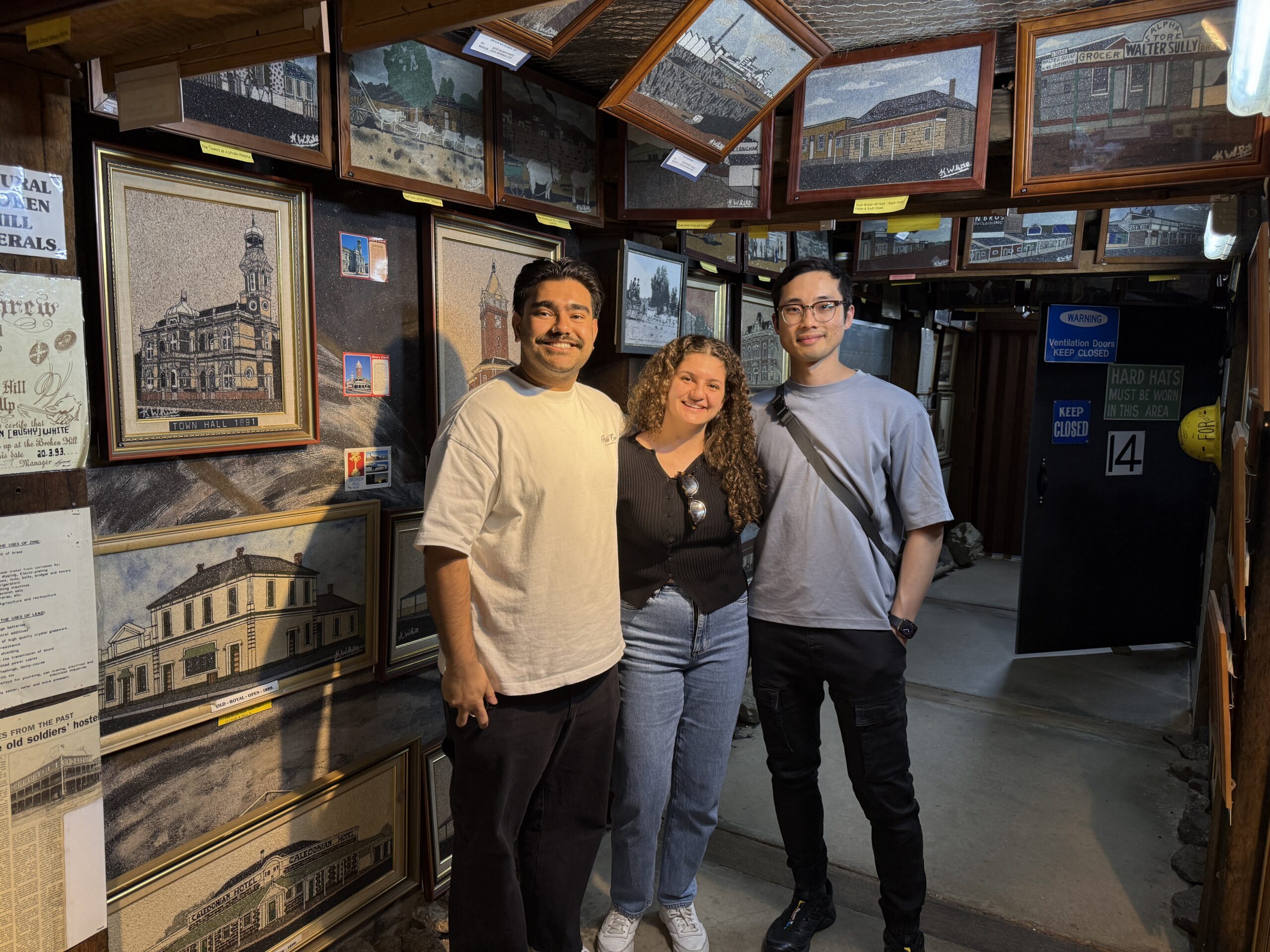
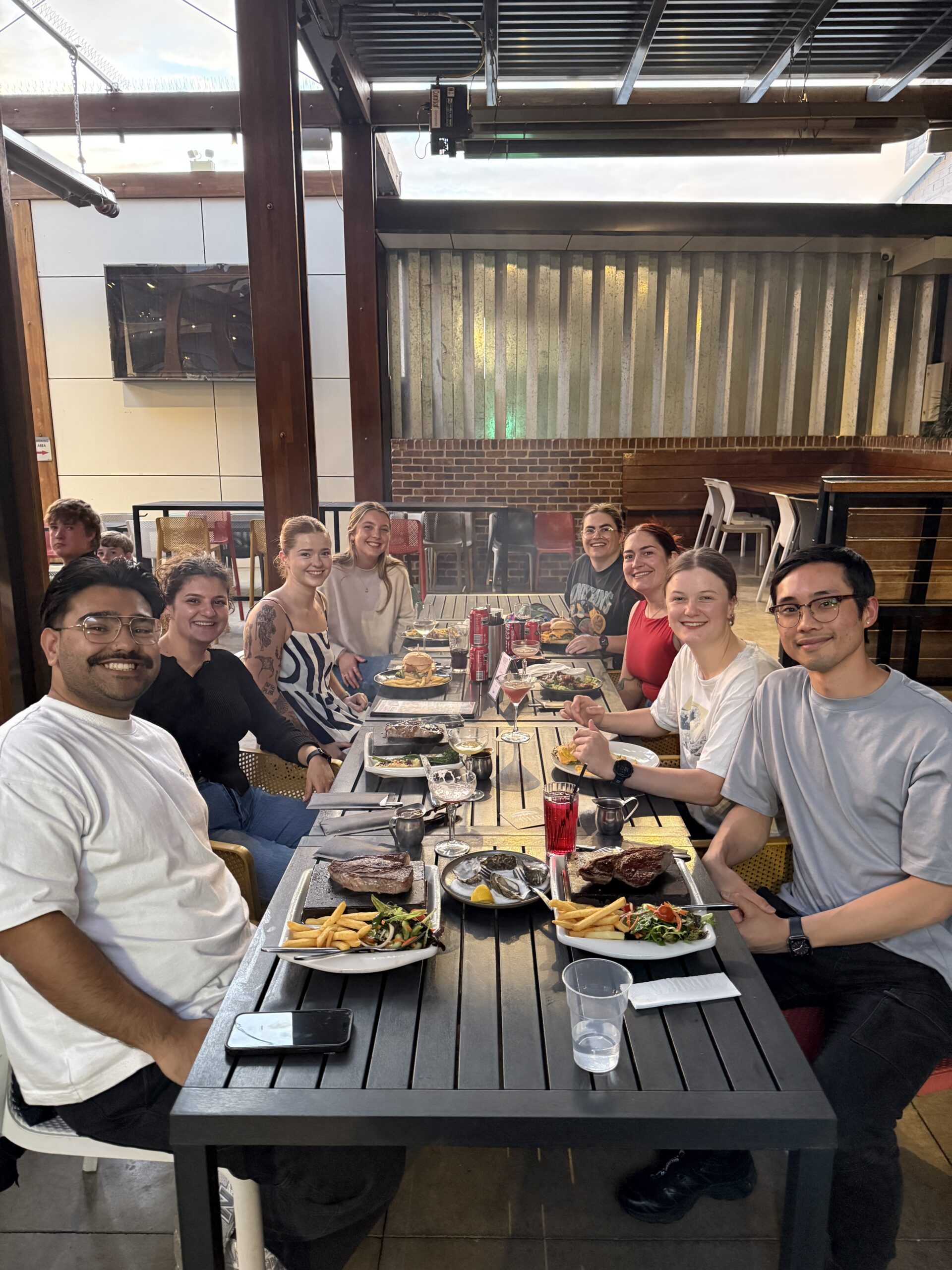
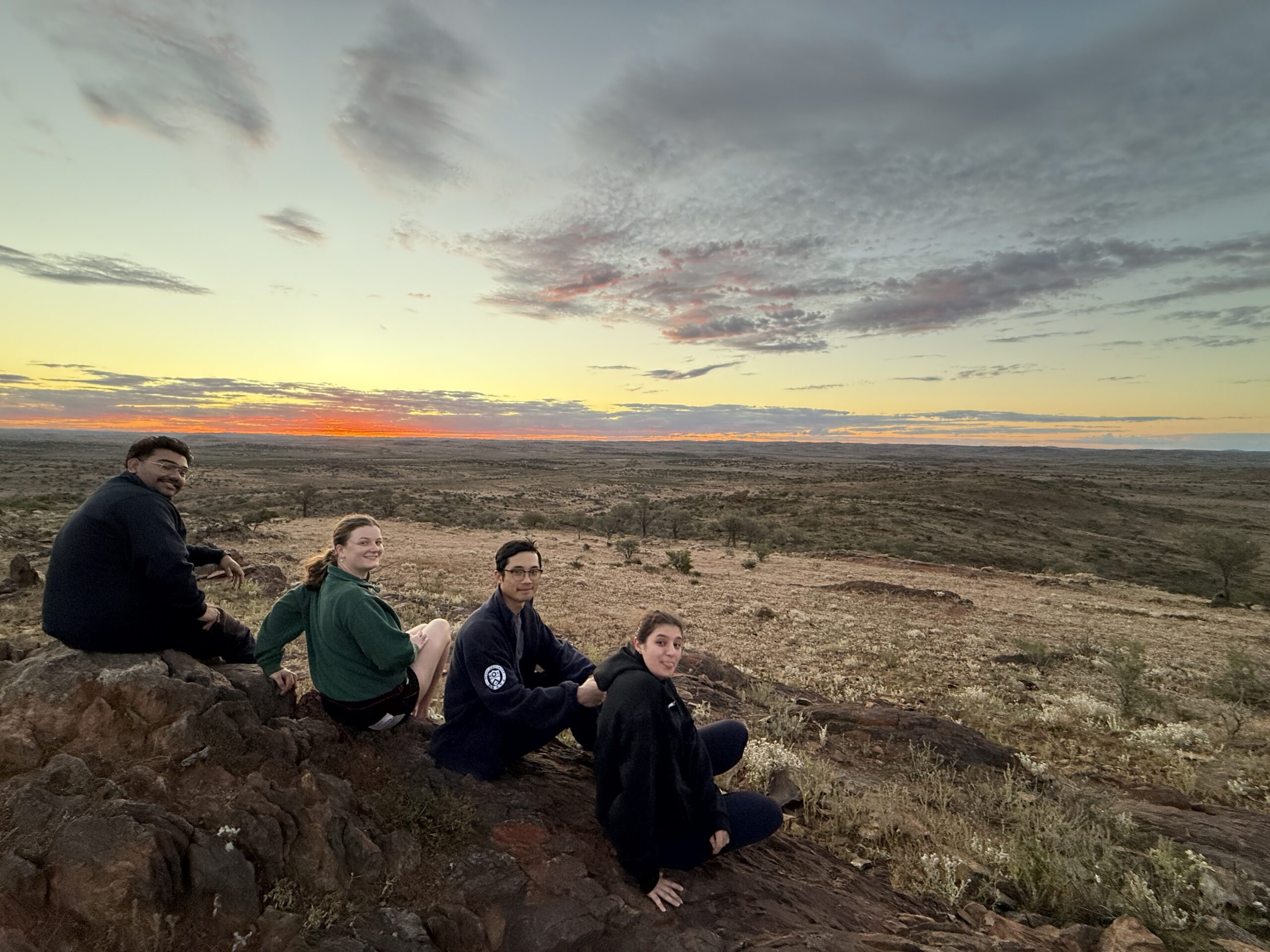
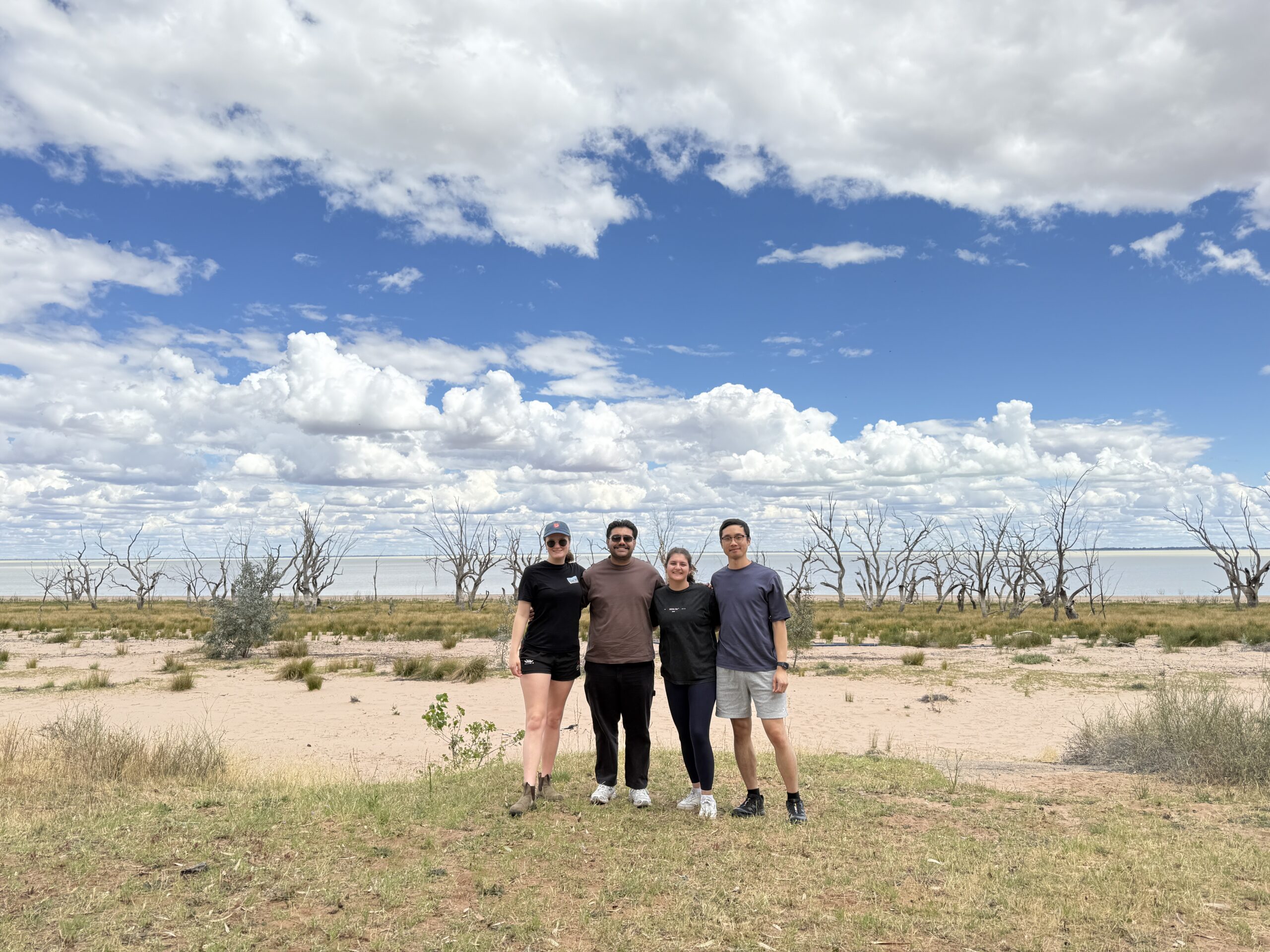
One of my favourite memories was Tuesday night trivia at the Sturt Club, where our team, “MDT”, managed to come second. We also attended karaoke nights at the Palace Hotel and Broken Hill Pub, explored Silverton and Menindee, watched the incredible sunset at the Living Desert Sculptures and visited the mining and railway museums.
Learning about Broken Hill’s mining history and its contribution to the Australian labour movement gave me a much greater appreciation of the town’s significance. Another highlight was attending the Beyond the Dust Festival. Seeing families and locals come together and unexpectedly recognising familiar faces from our tours, the hospital and the wider community, made us feel like we were genuinely becoming part of Broken Hill.
There was something special about spending only a short time in the town and already feeling a sense of familiarity and belonging.
What role did University of Sydney, BHUDRH and your host site play in supporting your placement?
The support from the University of Sydney, BHUDRH and Broken Hill Hospital was exceptional.
Having the Master of Nursing students from Westmead accommodated together made settling into Broken Hill much easier and the shared accommodation created a wonderful environment for building friendships. We also connected with students from across Australia, including Adelaide, Launceston, Lismore and Wagga Wagga, which made the experience even more memorable.
The ENRICH sessions and student networking opportunities were particularly valuable. It only took one session to meet another student and before long we were organising group outings, road trips and even a birthday barbecue for someone we had only just met.
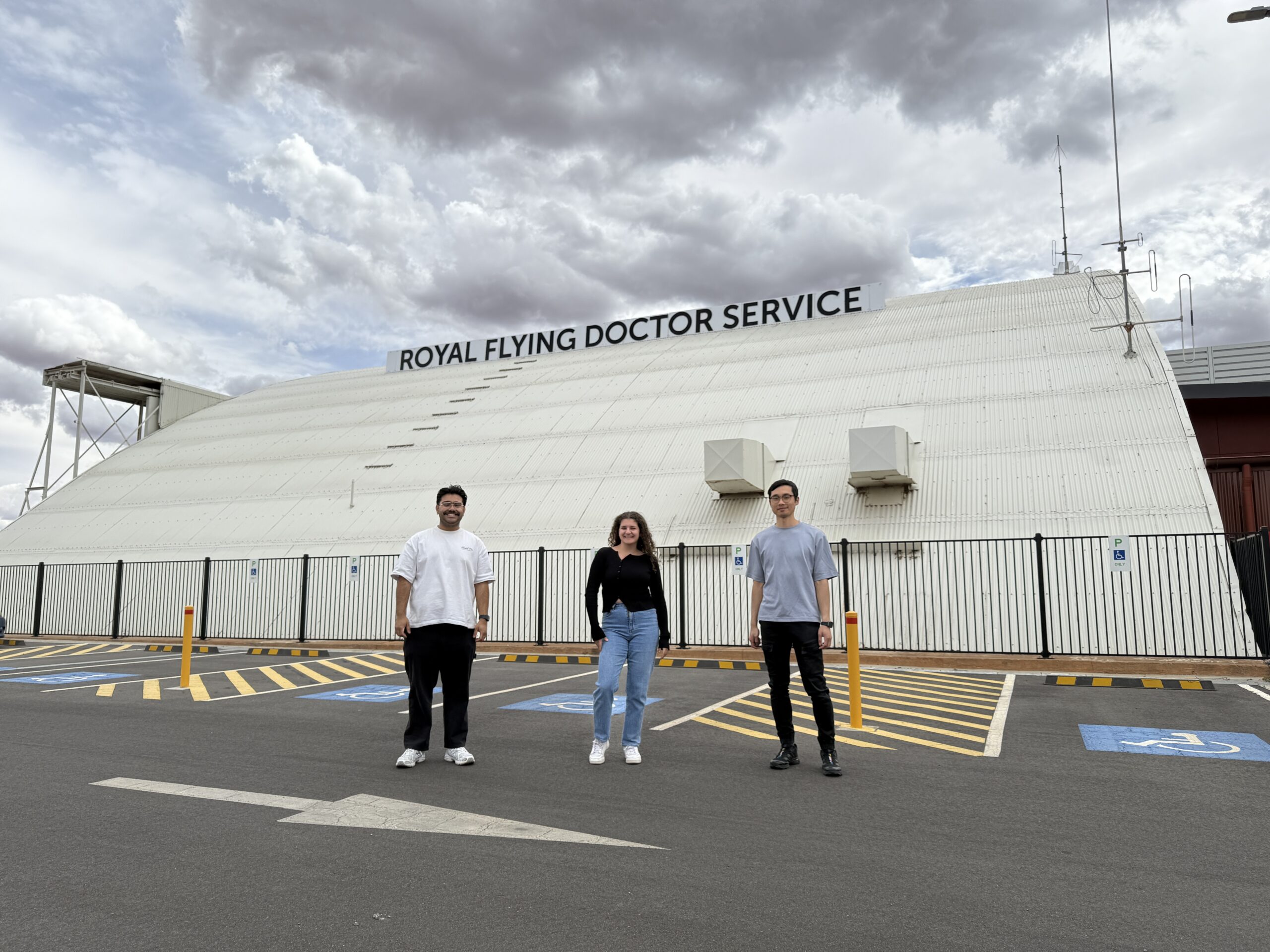
The hospital staff were incredibly welcoming and supportive, creating a positive learning environment. Another standout experience was organising a visit to the Royal Flying Doctor Service’s Broken Hill base, where we learned that the RFDS provides not only aeromedical retrievals but also essential primary healthcare clinics for remote communities.
These opportunities made the experience so much more than just a clinical placement.
What would you say to students who are considering a rural placement but feel unsure about taking the leap?
I’d tell them to absolutely go for it.
After this experience, I would wholeheartedly support making rural placements a compulsory part of nursing education. There’s so much to gain beyond clinical skills, from developing independence and stepping outside your comfort zone to discovering perspectives and opportunities you might never encounter in metropolitan healthcare.
My biggest advice is to put yourself out there, embrace the unfamiliar and say yes to opportunities. Your experience is ultimately what you make of it and sometimes the only thing standing between you and an unforgettable experience is taking that first step.
Two weeks simply wasn’t enough.
How has your perspective on living and working in a rural area changed?
Before this placement, I had not seriously considered what living or working in a rural community might look like.
Broken Hill completely changed that perspective.
Coming from Sydney, I appreciated escaping the constant busyness and experiencing a quieter lifestyle where time seemed to slow down and community connections felt much more personal. What stood out to me was the strong sense of belonging and how quickly a place I had never visited could begin to feel familiar.
Professionally, I developed a much deeper appreciation of rural healthcare professionals and the meaningful relationships they build with the communities they serve. While rural healthcare certainly comes with challenges, I can now appreciate how rewarding working in these communities can be.
I would absolutely consider returning to a rural or remote setting in the future, whether to work or simply to reconnect with the community and friendships that made this experience so special.
Broken Hill has given me memories, friendships and perspectives that I will carry well beyond my nursing degree.
If you’re a health student interested in a rural and remote placement, you can find out more about the BHUDRH and what they offer here.