Alex has One Piece of Advice: Take the Opportunity
Alex has One Piece of Advice: Take the Opportunity
For many students, a rural placement can feel like stepping into the unknown. But for medical students Alex and Edan, an observatory placement in Southwest NSW became far more than just a learning opportunity – it became a chance to experience the impact, connection and lifestyle that rural medicine can offer.
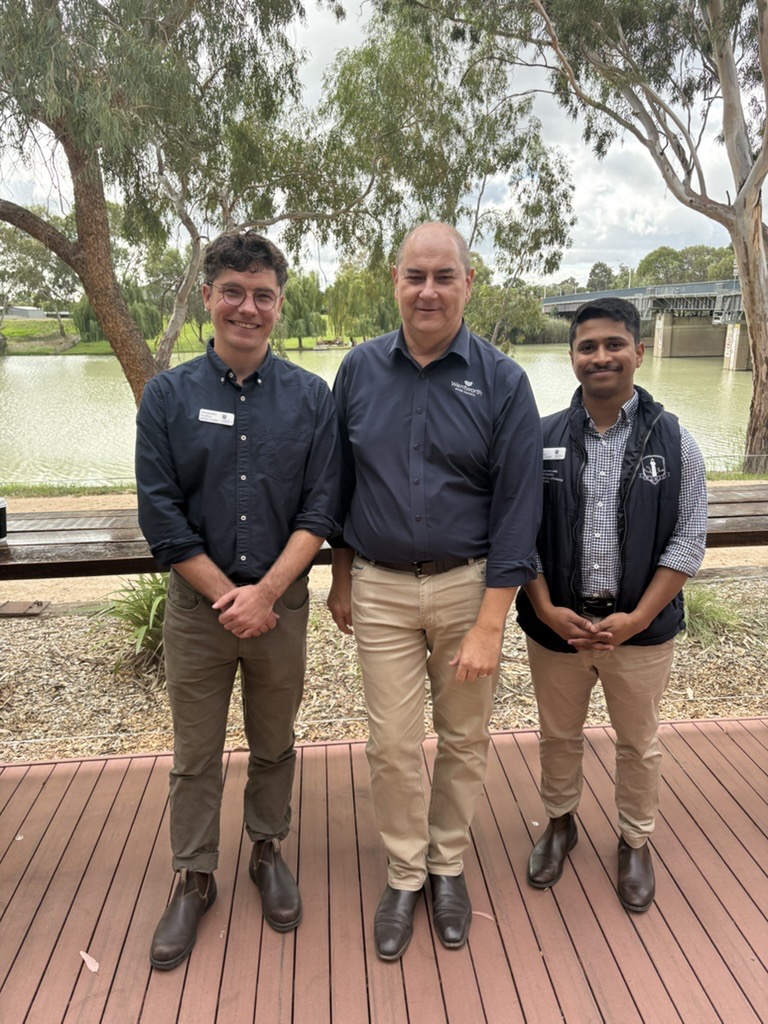
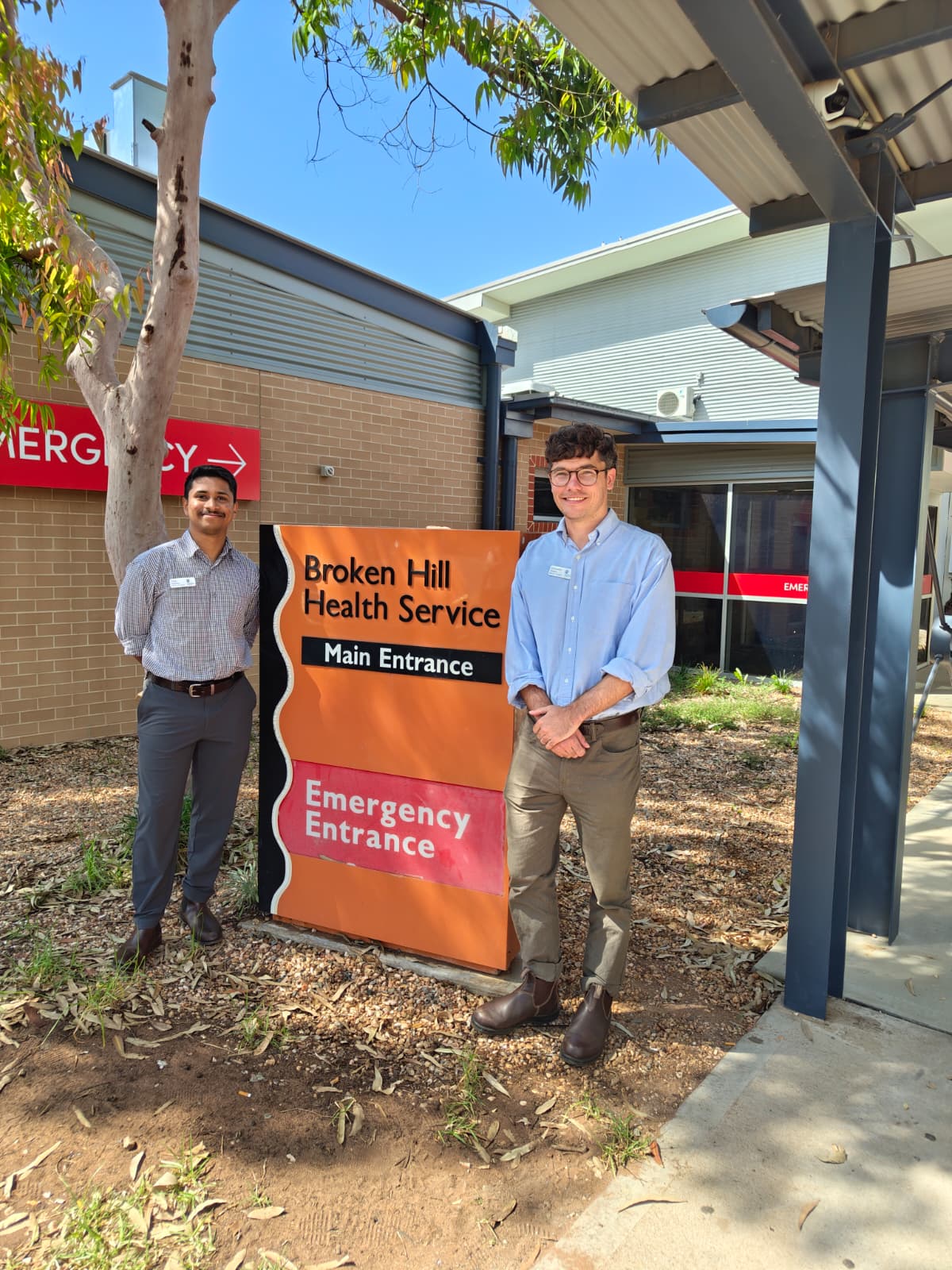
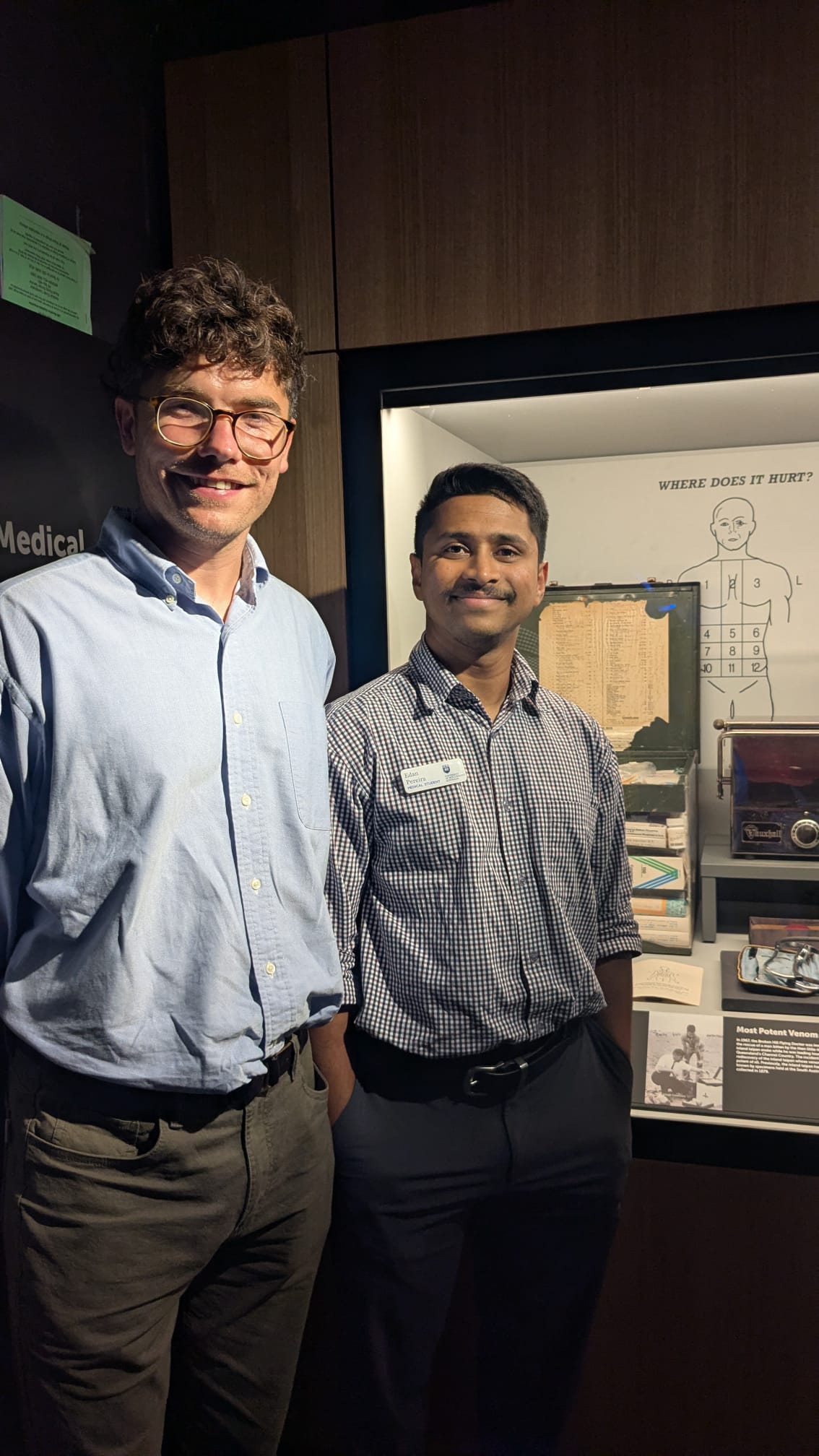
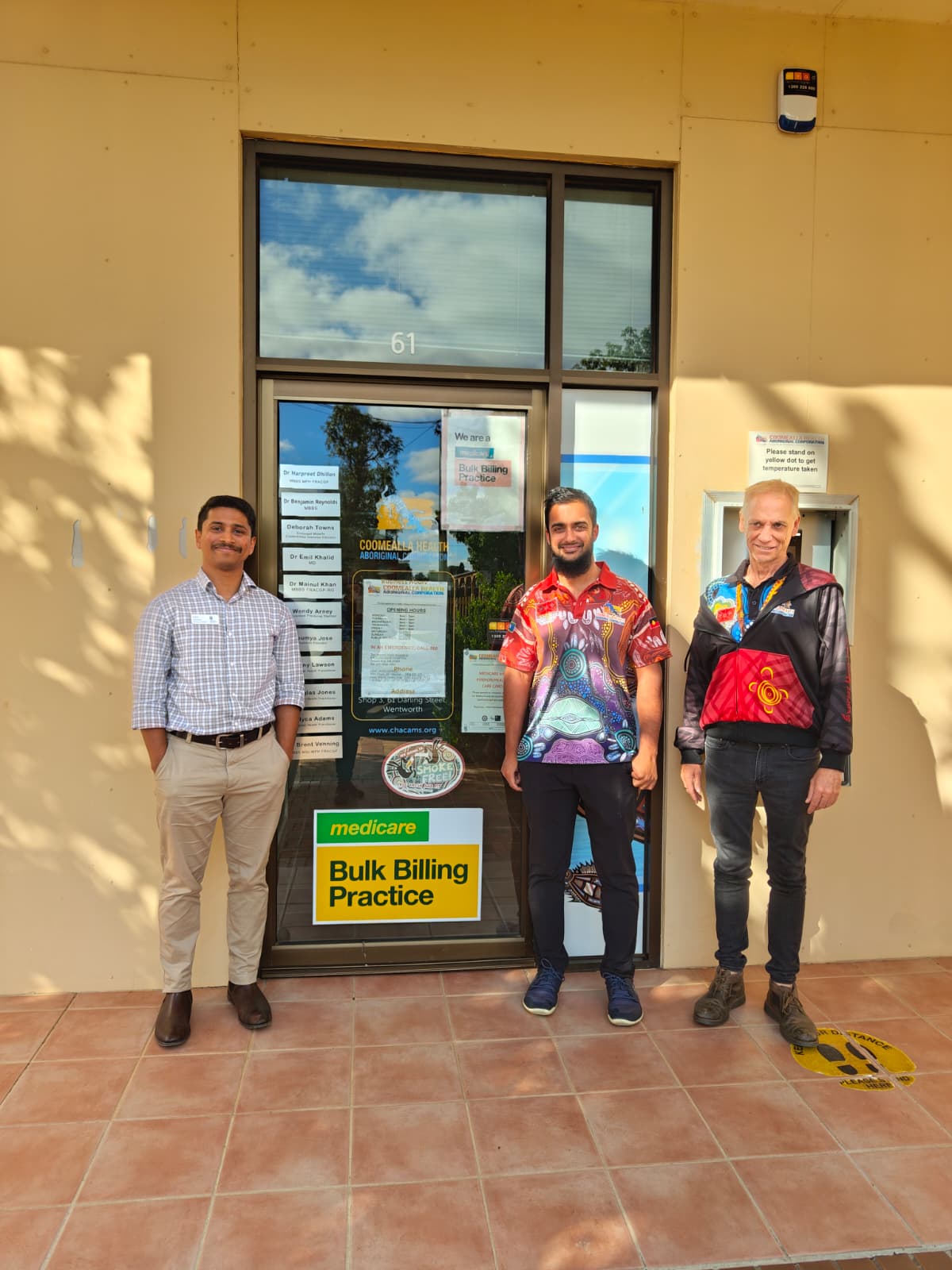
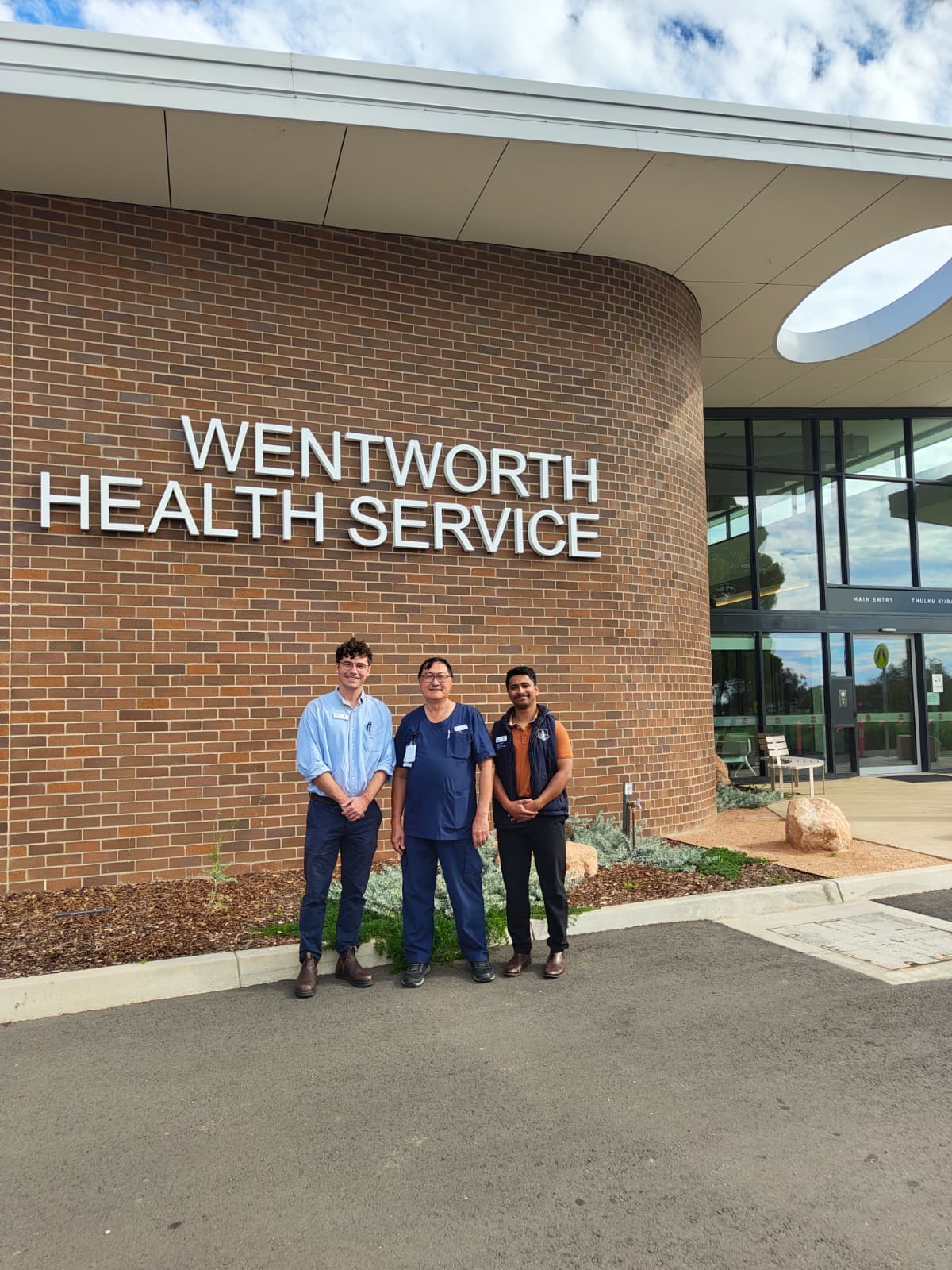
As part of the Rural Doctors Network (RDN) Bush Bursary Scholarship program, Alex and Edan undertook an observatory placement across Wentworth and Broken Hill, gaining firsthand insight into rural healthcare and the clinicians who sustain these communities.
“One of the most valuable aspects of our placement was gaining a real appreciation for the importance of rural healthcare and the clinicians who sustain it,” Alex said.
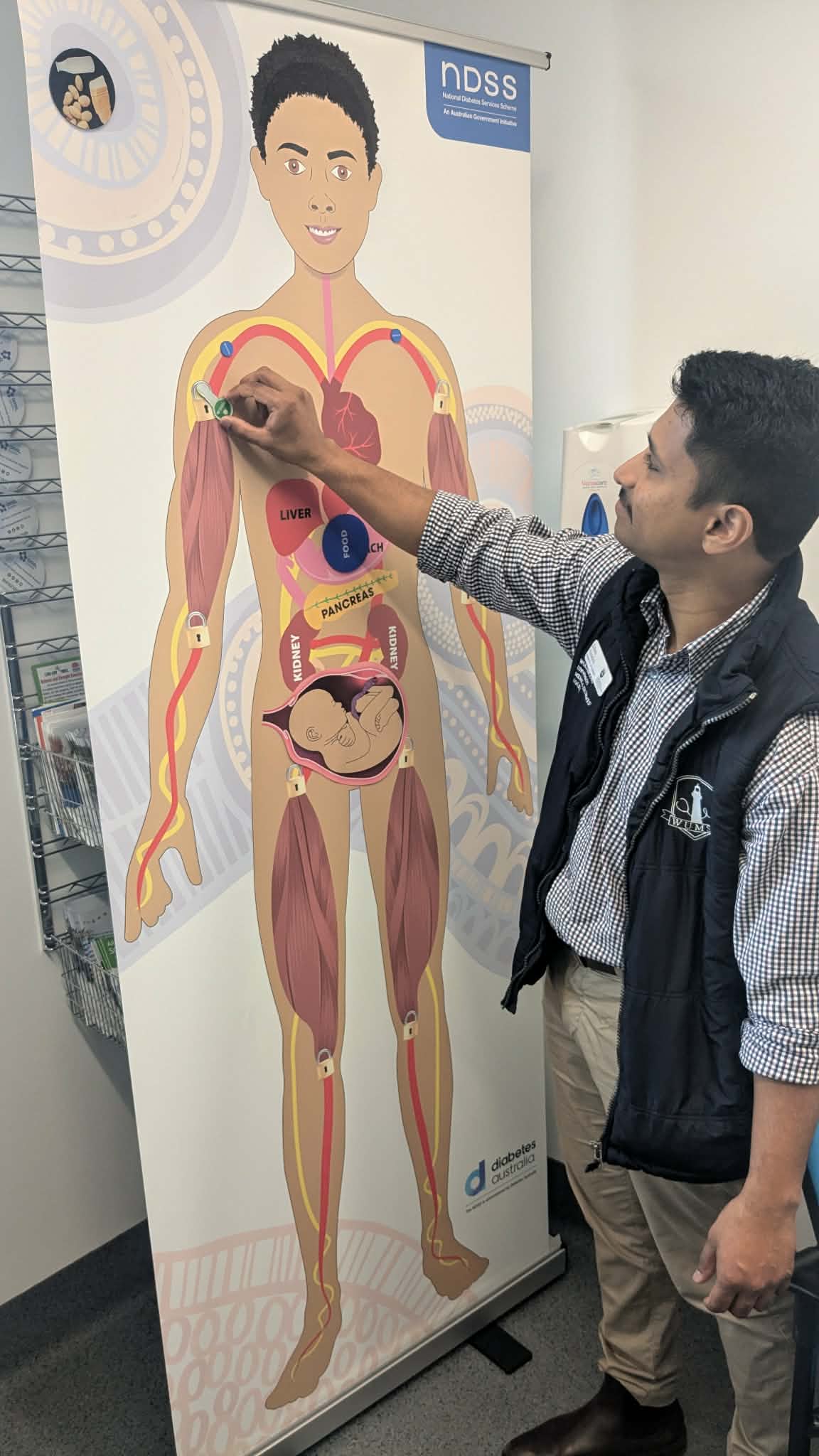
Working in a rural setting highlighted the broad scope of practice required of rural health professionals, as well as the adaptability and teamwork needed to deliver healthcare across geographically isolated communities.
“We saw firsthand how essential it is to have adaptable, highly skilled practitioners who understand not just medicine, but also the unique context of the communities they serve,” he said.
The placement also challenged some of the students’ expectations about rural life. While they had heard about country hospitality before arriving, they were still surprised by just how welcoming the community and healthcare teams were.
“From the moment we arrived, we were made to feel part of the community,” Alex said. “Busy clinicians and staff consistently took time out of their day to involve us, teach us and share their experiences of working in rural health.”
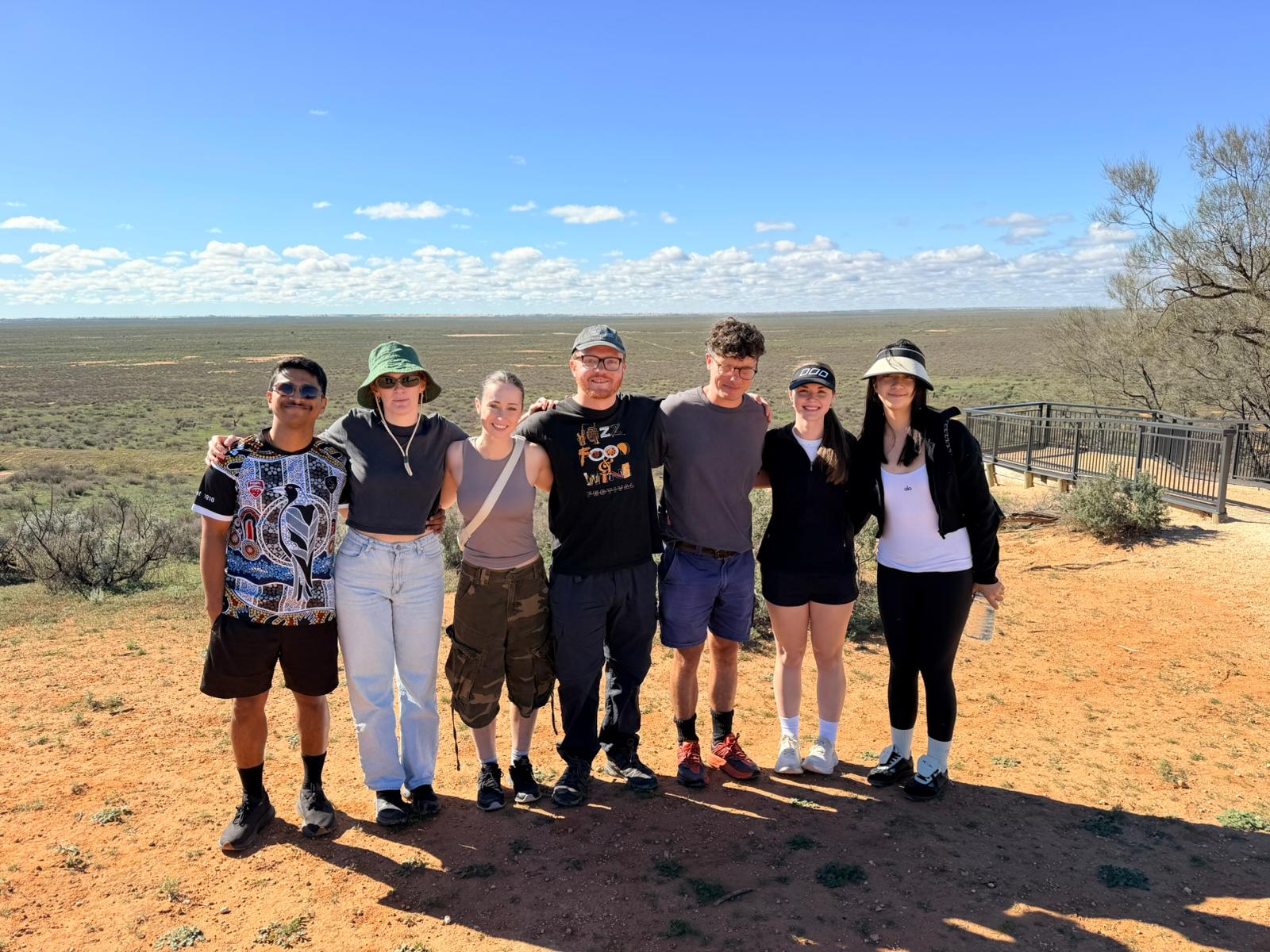
That strong sense of support extended beyond the workplace. Outside of placement hours, Alex and Edan immersed themselves in the local community and explored everything the region had to offer.
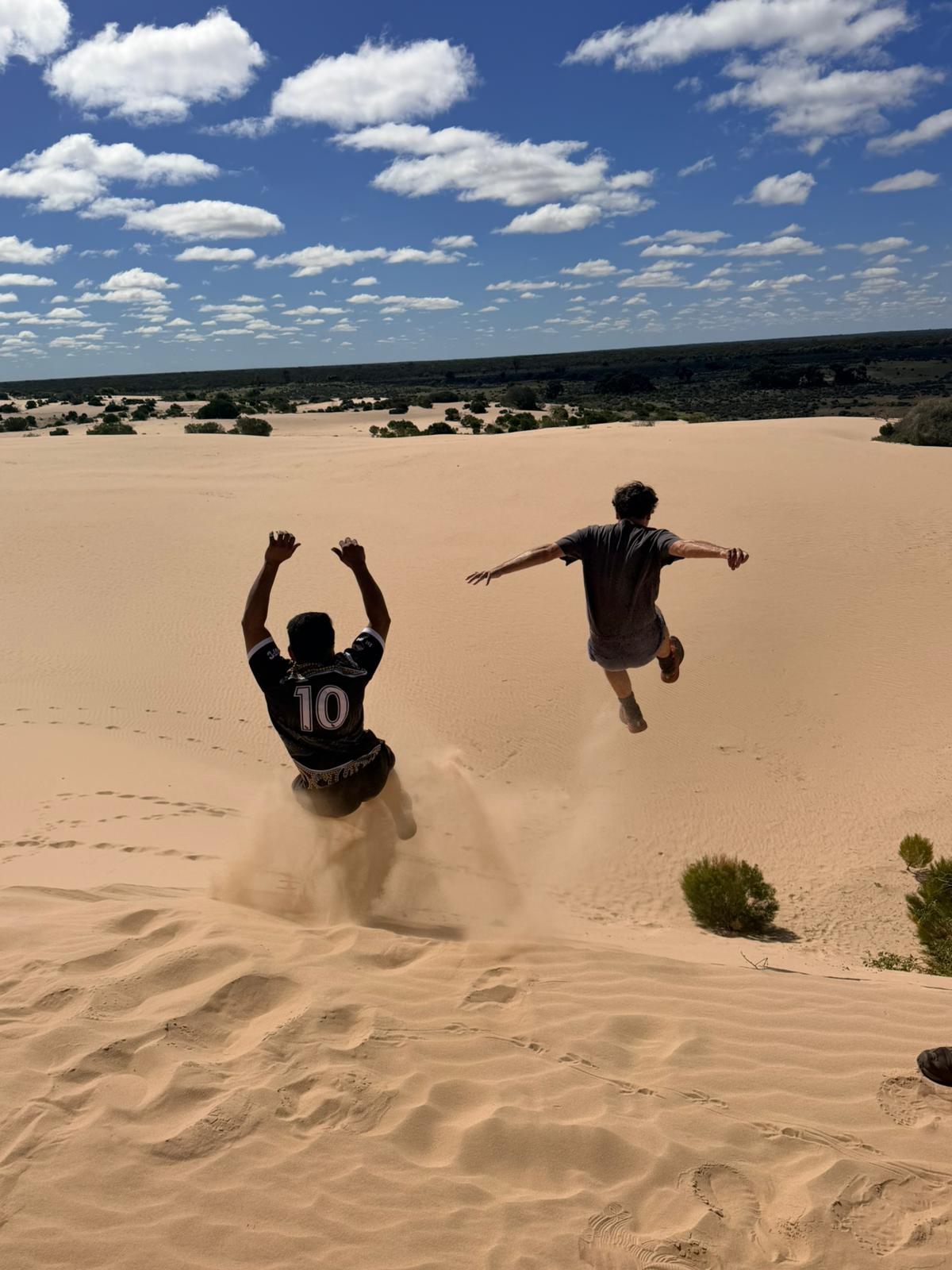
From trivia and pool nights to jogging through town and attending art exhibitions, they quickly discovered that rural placements provide just as much personal enrichment as professional development. Highlights included visiting Mungo National Park, exploring Broken Hill and the Mundi Mundi Lookout, and experiencing the internationally recognised Trail of Lights installation.
“These activities showed us that rural placements are not just professionally rewarding, but also incredibly enjoyable on a personal level,” Alex said.
Alex and Edan also acknowledged the role of the organisations that helped make the experience possible. Support from the RDN Bush Bursary Scholarship program, Wentworth Shire Council, local NSW Health staff, Broken Hill University Department of Rural Health (BHUDRH) and the University of Wollongong all contributed to creating a supportive and accessible placement experience.
“We are especially grateful to the RDN Bush Bursary team for making the placement accessible and to Wentworth Shire Council and local BHUDRH staff for welcoming us and helping us feel part of the Wentworth community,” Alex said.
The experience has since shifted both students’ perspectives on rural healthcare and rural living. Before the placement, neither had travelled this far before. By the end, they had developed a genuine appreciation for the lifestyle, connection and professional opportunities rural communities can offer.
“What stood out most was how enjoyable and fulfilling life in a place like Wentworth can be,” Alex said.
“The river, the sense of community and the pace of life all contribute to a great lifestyle.”
Professionally, the placement revealed the meaningful impact rural doctors can have on their communities, as well as the stronger relationships that naturally form with patients and colleagues in smaller towns.
“The impact you can have as a doctor in a rural setting is significant and the relationships you build with patients, colleagues and the community are deeper and more meaningful,” Alex said.
For students unsure about taking on a rural placement, Alex’s advice is simple: take the opportunity.
“Programs like those offered by RDN provide a supportive and structured way to experience rural medicine,” he said. “It’s an opportunity to broaden your perspective, build confidence and discover career pathways you may not have previously considered.”