Rural Health Career Pathways
Careers Shaped by Community, Opportunity and Impact
What does a career in rural health look like?
For many health professionals, the answer is simple: it looks different than they ever imagined.
Across medicine, nursing, social work, physiotherapy and pharmacy, rural health careers are rarely linear. What often begins as a placement, graduate role or short-term opportunity can evolve into leadership, research, education, workforce development and advocacy. Along the way, professionals gain broad clinical experience, develop strong community connections and discover career pathways they may never have considered as students.
Through our Rural Health Career Pathways series, we spoke with six members of our team about the opportunities, experiences and lessons that have shaped their careers.
Where a rural career can take you
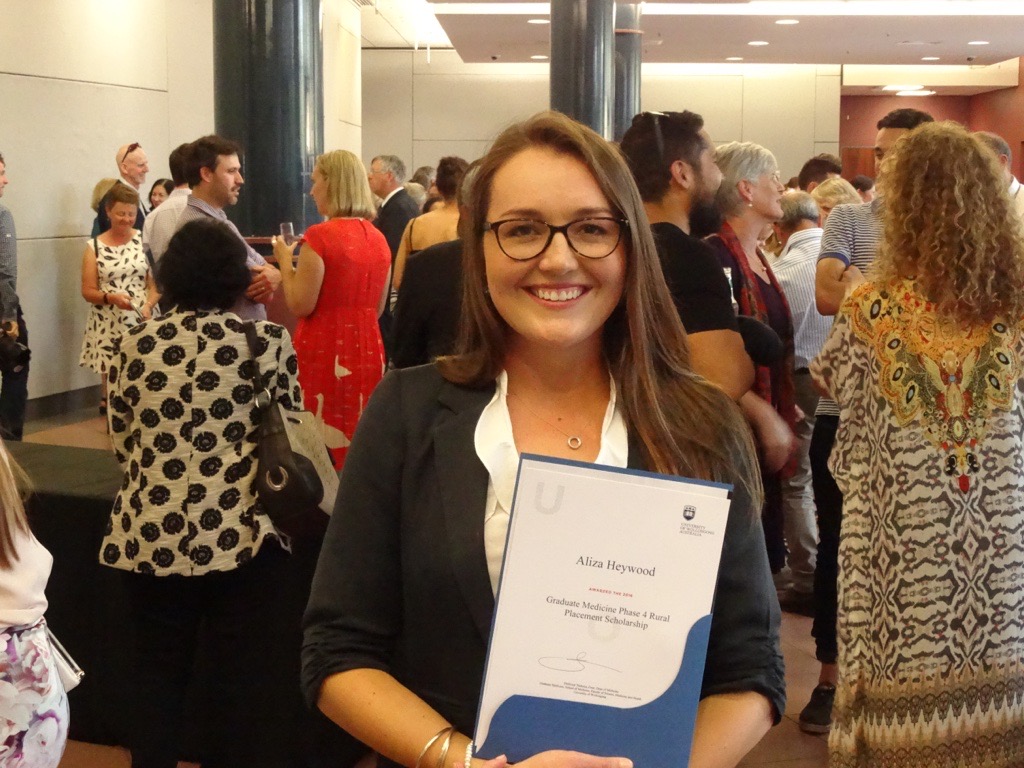
For Dr Aliza Lord, rural medicine has provided opportunities across general practice, emergency medicine, medical education and leadership. What started as a medical career has evolved into one that combines clinical practice with building the next generation of rural doctors.
Hannah Dean began her career in social work and has since worked across a broad range of practice areas, contributed to workforce development, moved into teaching and research, and recently completed a Masters of Research. She credits rural health to opening doors she never expected when she first entered the profession.
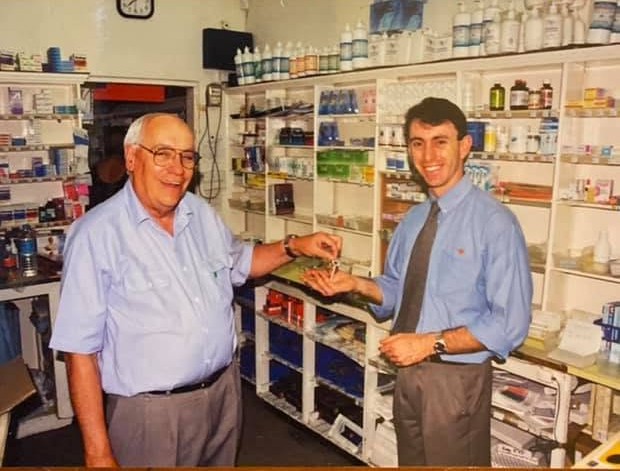
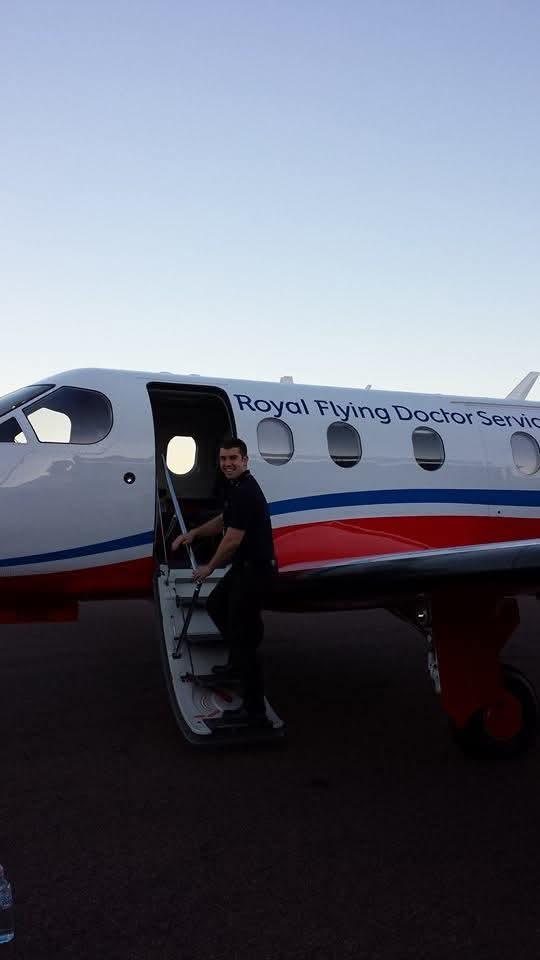
As a pharmacist, Andrew Johnson has built a remarkably diverse career. Beginning as an intern pharmacist in Broken Hill, he has gone on to own pharmacies, work with Aboriginal health services, provide services through the Royal Flying Doctor Service, support aged care, teach university students, undertake research, and contribute to national workforce discussions.
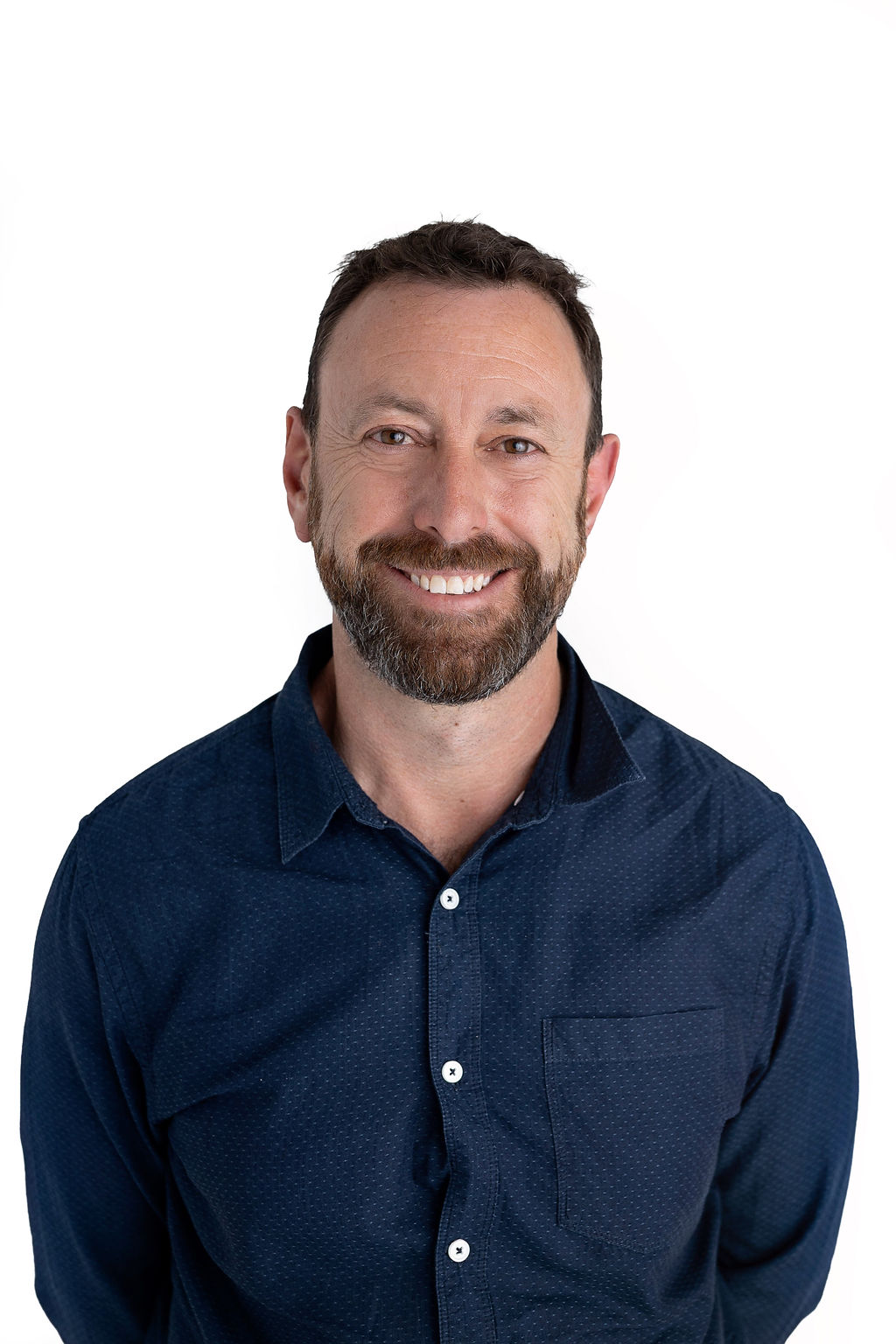
For James Selby, rural physiotherapy provided opportunities to work across a diverse range of clinical areas while developing the adaptability and confidence that comes from practising in rural settings. His career has since expanded into leadership, student supervision, rural health education and workforce development.
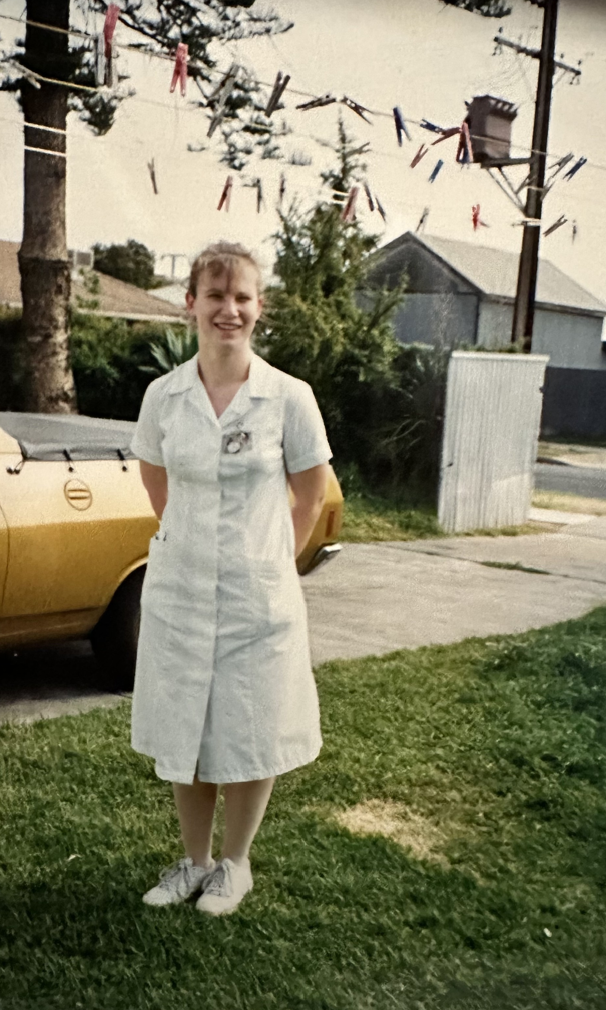
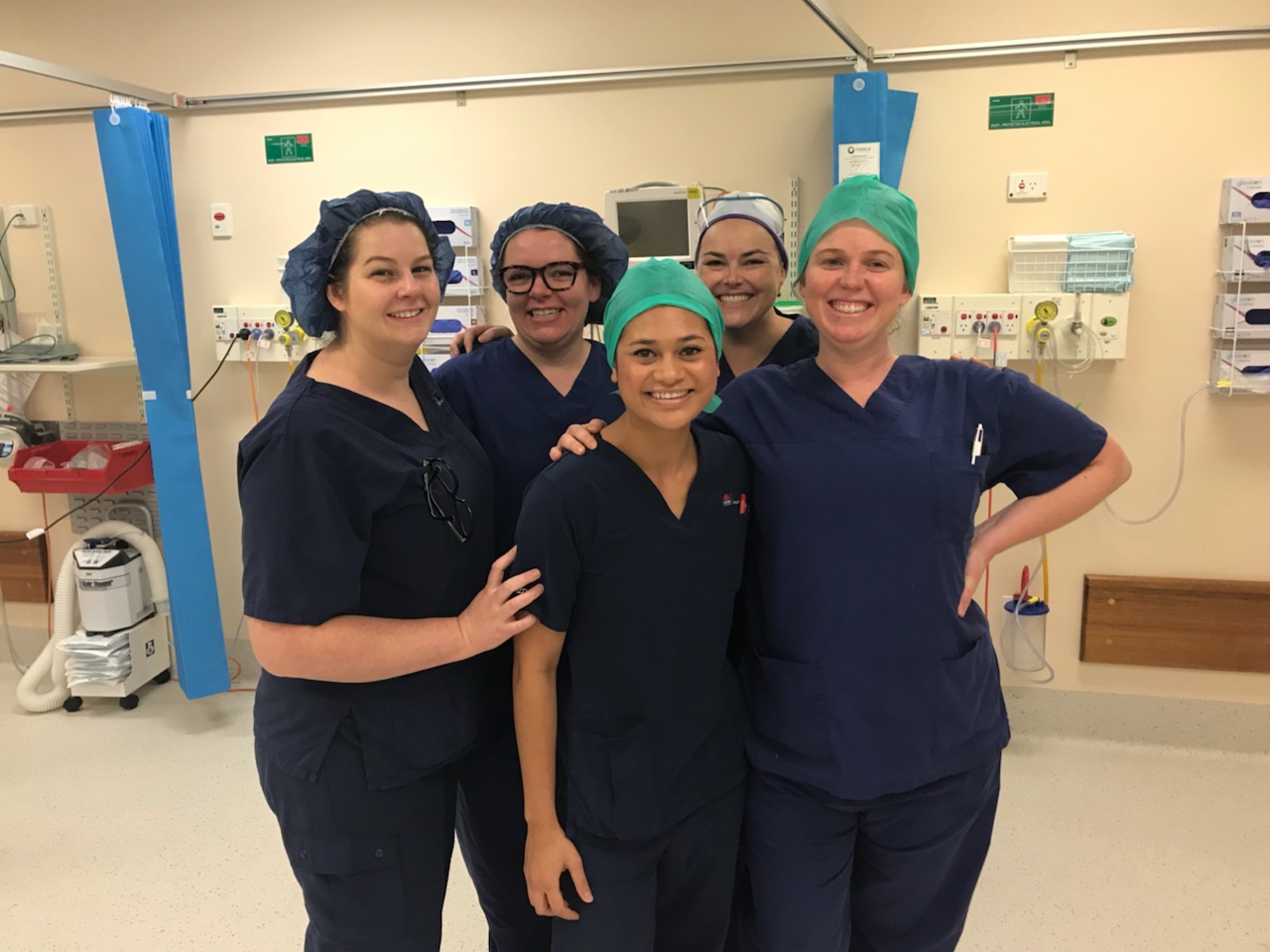
Danielle Minnis started her career as a new graduate nurse before moving into theatre and anaesthetics, developing specialist skills and later transitioning into education and academia. Rural practice enabled her to build a broad skill set, take on responsibility early and contribute to rural health advocacy.
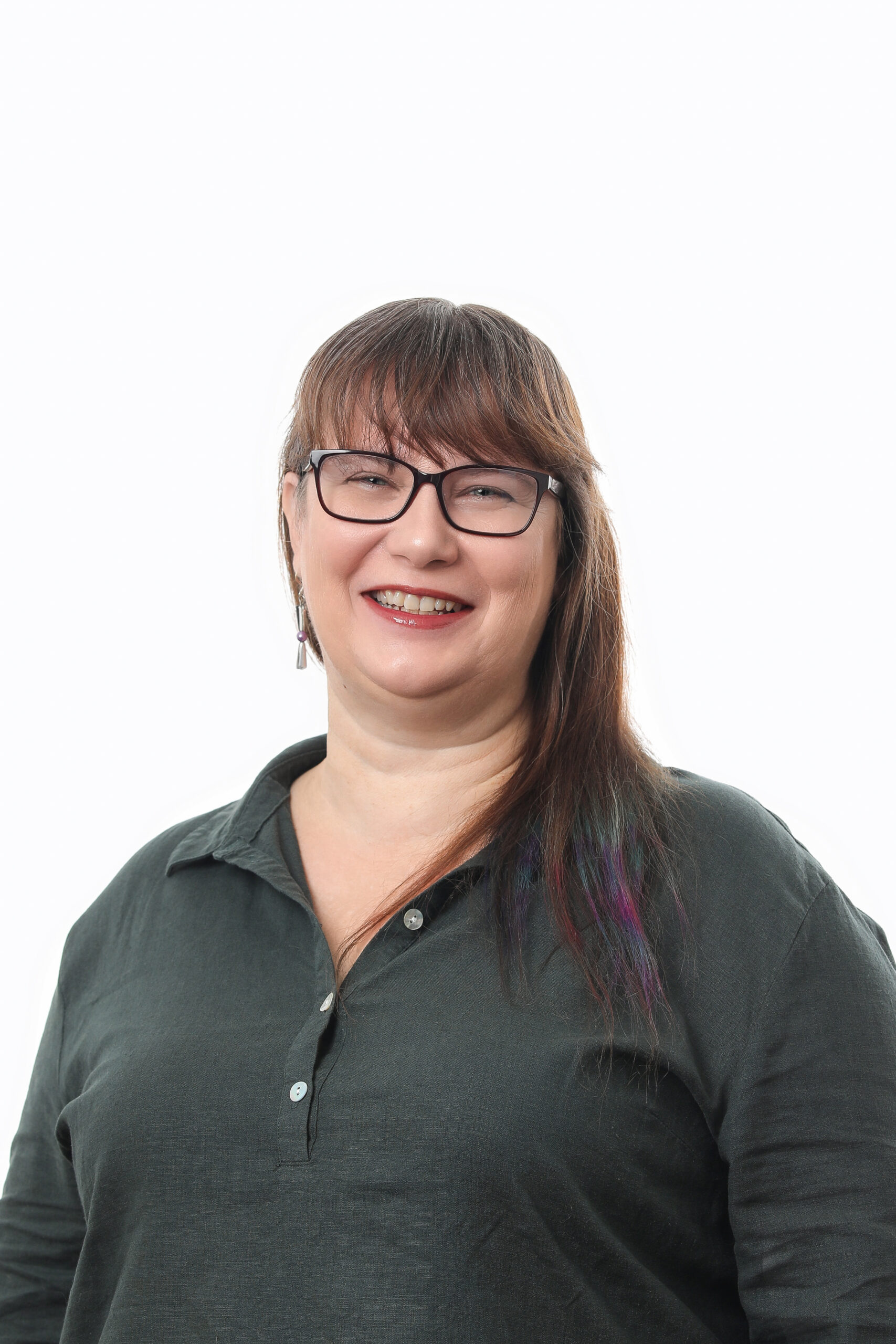
For Danielle White, a rural health career has been shaped by strong mentors, flexibility and the opportunity to work across acute care, community health and education. The ability to explore different areas while balancing family and lifestyle commitments has been a defining feature of her career journey.
While each pathway is unique, all six professionals share a common experience: rural health created opportunities they never imagined when they first graduated.
The value of saying yes
When asked what advice they would give to students considering rural health careers, a clear theme emerged.
Start with a rural placement.
Whether in medicine, nursing, social work, physiotherapy or pharmacy, each professional spoke about the value of experiencing rural healthcare firsthand.
They encouraged students to be curious, ask questions, seek mentors and embrace opportunities that may sit outside their comfort zone. Rural placements offer more than clinical experience. They provide insight into communities, multidisciplinary teamwork and the broader social factors that influence health outcomes.
Many reflected that some of the most rewarding and unexpected moments in their careers came from saying yes to opportunities they had not originally planned for.
As Hannah noted, “some of my most valuable learning experiences came from taking on new challenges and learning along the way.”
Community, connection and purpose
While career development was a recurring theme, every contributor highlighted the personal rewards of rural practice.
For Dr Aliza Lord, staying rural is about the people, the clinical diversity and the opportunity to make a difference.
For Andrew Johnson, rural work is about “community, variety and impact”, allowing health professionals to build long-term relationships and see the difference their work makes.
James Selby values both the professional opportunities and the lifestyle that comes with regional living, from strong community connections to raising a family close to the outdoors.
Danielle Minnis spoke about the friendships, professional relationships and sense of purpose that come from living and working in a rural community, while Danielle White reflected on the personal satisfaction that comes from advocating for and improving outcomes in a community that she is part of herself.
For Hannah Dean, rural practice has provided not only a fulfilling career but also a wonderful place to build a life, offering a strong sense of community and connection alongside professional growth.
Building the future rural workforce
The stories of Aliza, Hannah, Andrew, James, Danielle Minnis and Danielle White highlight the breadth of opportunities available in rural health.
Their careers span clinical practice, leadership, education, research, workforce development and advocacy. None of them followed a perfectly planned path, yet each found opportunities to grow, contribute and make a meaningful impact.
Their experiences demonstrate that choosing a rural pathway does not limit your career options. Instead, it creates possibilities that extend far beyond traditional professional boundaries.
For students considering a future in rural health, their collective message is simple: be open to opportunities, connect with mentors, start with a placement and see where the journey takes you.
You may just discover a career, a community and a purpose you never expected.